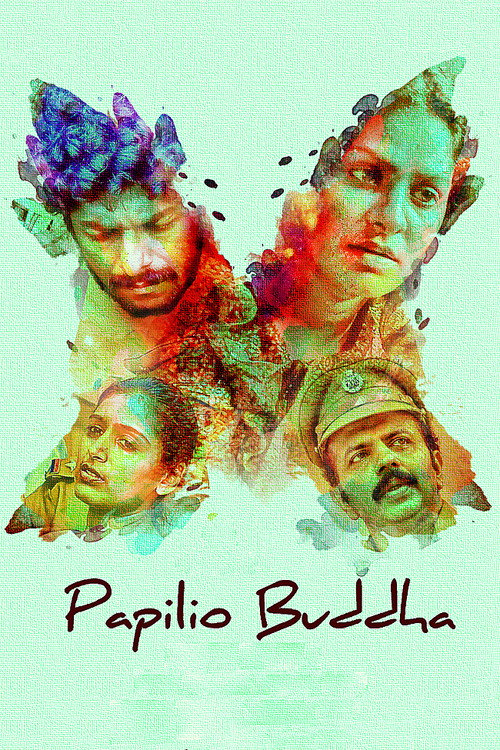
Papilio Buddha 2013
Jayan Cherian's *Papilio Buddha* (2013) immerses viewers in the lush, misty Western Ghats of India, where a defiant community of Dalits—historically known as untouchables—seeks liberation from the shackles of caste oppression.
Director: Jayan Cherian
Cast


Frequently Asked Questions
What is Papilio Buddha (2013) about?
*Papilio Buddha* follows a group of Dalits in India's Western Ghats who break free from caste oppression by converting to Buddhism. The film delves into their fight for dignity, faith, and self-determination amid systemic injustice.
Who directed Papilio Buddha?
Jayan Cherian directed *Papilio Buddha*, bringing a raw, atmospheric perspective to the story of social and spiritual awakening.
Who stars in Papilio Buddha?
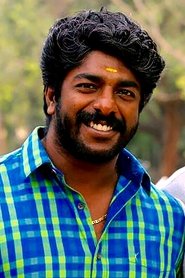
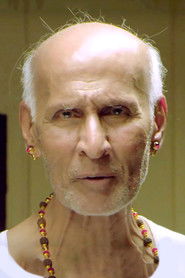
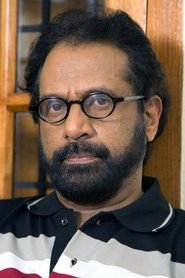
The film features S.P. Sreekumar, Kallen Pokkudan, Saritha, Prakash Bare, and David Briggs in pivotal roles.
Is Papilio Buddha (2013) worth watching?
As an unrated but thematically rich drama, *Papilio Buddha* offers a compelling narrative for fans of socially conscious cinema. Its unique setting and bold storytelling make it a memorable watch for those interested in caste narratives and cultural resistance.
How long is Papilio Buddha?
Papilio Buddha has a runtime of 108 minutes.
About Papilio Buddha (2013) — A Defiant Drama of Caste and Liberation in the Western Ghats
Jayan Cherian's *Papilio Buddha* (2013) immerses viewers in the lush, misty Western Ghats of India, where a defiant community of Dalits—historically known as untouchables—seeks liberation from the shackles of caste oppression. Through their radical embrace of Buddhism, the film explores the raw struggle for dignity and identity in a landscape both breathtaking and brutal. With a minimalist yet evocative approach, Cherian crafts a drama that lingers on themes of resistance, spirituality, and the power of collective awakening.
Starring S.P. Sreekumar, Kallen Pokkudan, and Saritha among its ensemble, *Papilio Buddha* blends cultural depth with poignant storytelling, making it a standout in contemporary Indian cinema. The film's atmosphere is thick with tension and quiet defiance, capturing the essence of a community reclaiming its voice against centuries of marginalization.