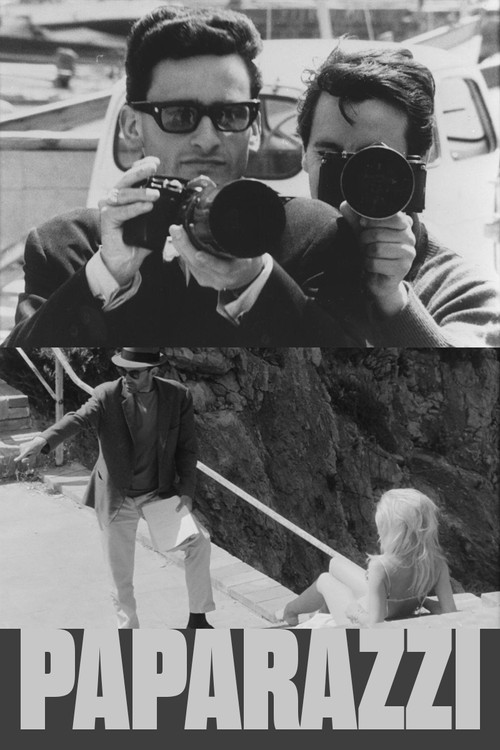
Paparazzi 1964
Jacques Rozier's *Paparazzi (1964)* dives into the raw, unfiltered world of celebrity obsession through the lens of Brigitte Bardot's rise to global fame.
Director: Jacques Rozier
Cast


Frequently Asked Questions
What is Paparazzi (1964) about?
*Paparazzi (1964)* peels back the curtain on Brigitte Bardot's life during the filming of *Le Mépris*, exposing the relentless pursuit of photographers hungry to capture her every move. The film uses a mix of on-set footage, candid interviews, and archival images to question the cost of fame and the blurred boundaries between public adoration and private invasion.
Who directed Paparazzi?
Jacques Rozier directed *Paparazzi (1964)*, crafting a documentary that blends cinéma vérité with social commentary on celebrity culture.
Who stars in Paparazzi?
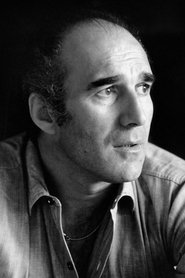
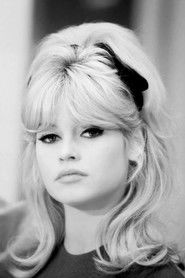
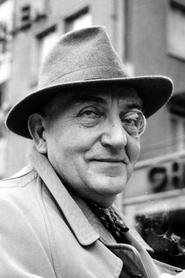
The film prominently features Brigitte Bardot alongside Michel Piccoli, Jean Lescot, and David Tonelli, with appearances by renowned figures like Jean-Luc Godard and Fritz Lang adding to its cinematic allure.
Is Paparazzi (1964) worth watching?
Though unrated, *Paparazzi (1964)* offers a fascinating snapshot of 1960s stardom and media ethics, making it a must-watch for cinema buffs. Its short runtime and raw style provide a unique perspective on fame's darker side, even if it leans more toward experimental documentary than mainstream entertainment.
How long is Paparazzi?
The runtime for *Paparazzi (1964)* is approximately 22 minutes.
About Paparazzi (1964) — A raw glimpse into celebrity and the paparazzi's unrelenting lens
Jacques Rozier's *Paparazzi (1964)* dives into the raw, unfiltered world of celebrity obsession through the lens of Brigitte Bardot's rise to global fame. As Bardot navigates the chaotic energy of Jean-Luc Godard's *Le Mépris*, Rozier captures the relentless pursuit of paparazzi who swarm the set, blending candid footage, interviews with photographers, and archival images to expose the intrusive side of stardom. The film doesn't just document a moment in cinema history—it dissects the psychological toll of fame, the blurred lines between public persona and private life, and the symbiotic yet toxic relationship between icons and the press.
With a runtime of just 22 minutes, *Paparazzi (1964)* is a concise yet powerful exploration of voyeurism and exposure, where every frame feels like an invasion and every still image a stolen secret. Rozier's documentary style leans into the gritty realism of 1960s film culture, offering a stark contrast to the polished glamour of Bardot's image. It's less about the star herself and more about the ecosystem that orbits around her, making it a fascinating time capsule for cinema enthusiasts and pop culture historians alike.