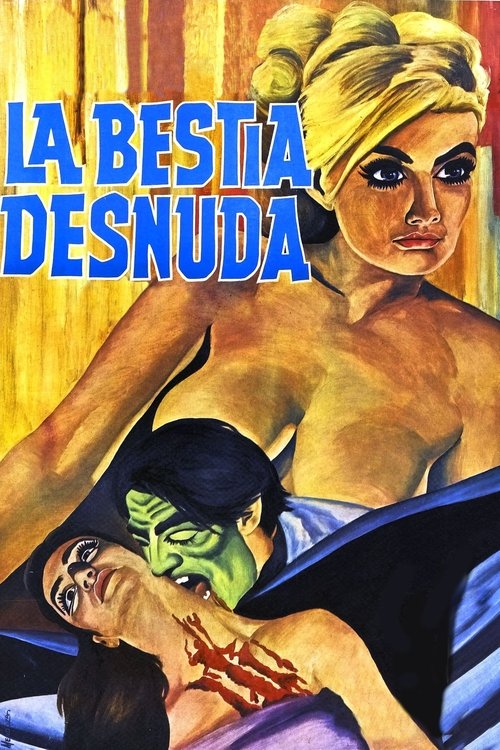
The Naked Beast 1971
In the grimy neon glow of early-'70s Buenos Aires, a masked killer stalks the set of a glamorous horror-themed TV variety show, leaving a trail of blood among the chorus-line dancers who pose between acts.
Director: Emilio Vieyra
Cast


Frequently Asked Questions
What is The Naked Beast (1971) about?
In 1971 Buenos Aires, a masked psychopath preys on the chorus-line dancers of a horror-themed TV show, turning backstage corridors into crime scenes. Inspector Ibanez races to identify the killer before the next grotesque tableau is staged.
Who directed The Naked Beast?
The Naked Beast was directed by Emilio Vieyra, an Argentine filmmaker known for blending sleaze and suspense in the 1970s exploitation wave.
Who stars in The Naked Beast?
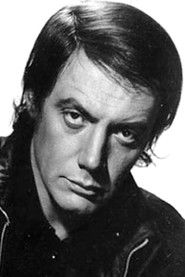
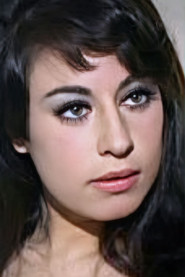
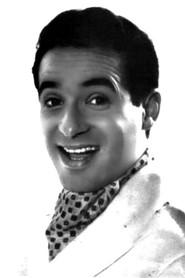
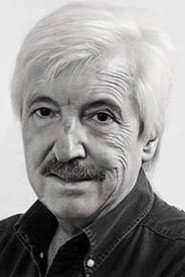
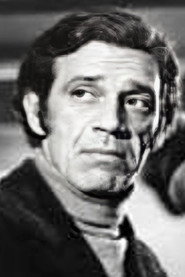
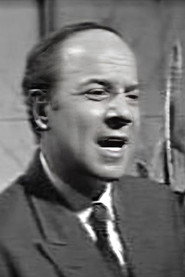
The ensemble includes Aldo Barbero as Inspector Ibanez, Gloria Prat, Osvaldo Pacheco, Rolo Puente, and Norberto Aroldi, with Susana Beltrán rounding out the cast.
Is The Naked Beast (1971) worth watching?
For horror fans, The Naked Beast offers a gritty slice of Argentinian grindhouse with atmosphere to spare. While it lacks modern polish, its lurid charm and thematic bite make it a cult curiosity worth tracking down on collectors' prints or niche streaming platforms.
How long is The Naked Beast?
The Naked Beast clocks in at 85 minutes, a tight, pulpy thriller that wastes no time getting under your skin.
About The Naked Beast (1971) — A masked killer lurks behind the horror-show curtains
In the grimy neon glow of early-'70s Buenos Aires, a masked killer stalks the set of a glamorous horror-themed TV variety show, leaving a trail of blood among the chorus-line dancers who pose between acts. Inspector Ibanez steps into the chaos, chasing a psychopath whose twisted artistry turns each murder into a macabre tableaux vivant. Directed by Emilio Vieyra, The Naked Beast (1971) blends sleazy showbiz spectacle with genuine dread, trapping its victims—and the audience—in a nightmare that feels ripped straight from the screen's flickering horror inserts.
The film trades jump-scares for unease, its grainy cinematography amplifying every shadowy corridor behind the stage. As the body count rises, suspicion ricochets among the show's tangled web of performers, producers, and predators—each one wearing a mask, literal or otherwise. Vieyra crafts a tense, pulpy chiller where the real horror isn't the monster lurking off-camera, but the corrosive glamour that keeps everyone dancing right into the abyss.