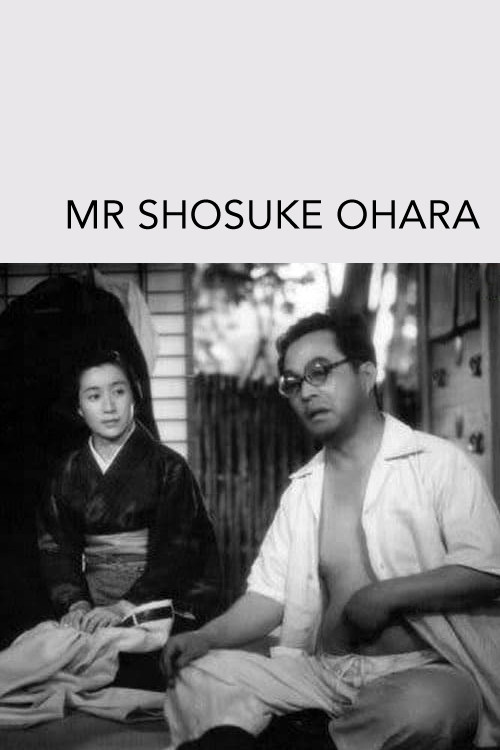
Mr. Shosuke Ohara 1949
Dive into Hiroshi Shimizu's 1949 gem, *Mr. Shosuke Ohara*, a heartfelt comedy-drama that explores the struggles of a man caught between generosity and financial ruin. Saheita, the last descendant of a once-prosperous family, earns his nickname 'Mr.
Director: Hiroshi Shimizu
Cast
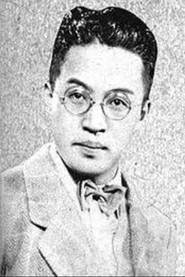
Denjirō Ōkōchi
Saheita Sugimoto aka Shôsuke Ohara
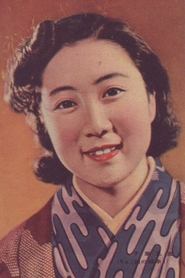
Akiko Kazami
Onobu
Reiko Miyagawa
Oritsu
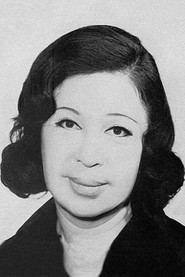
Nijiko Kiyokawa
Margaret Nakata

Chōko Iida
Oseki, old maid
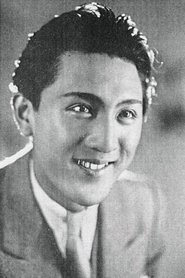
Haruo Tanaka
Seizô Kon'no
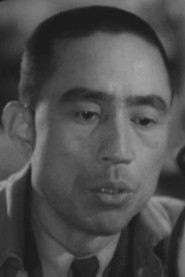
Sōji Kiyokawa
Kaikû Tsukioka, high priest
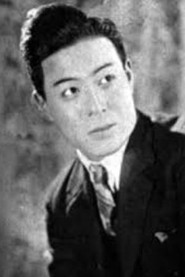
Yōnosuke Toba
Koroku
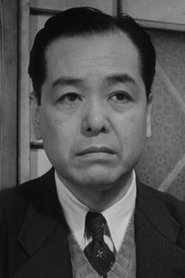
Shinichi Himori
Jiromasa Yoshida
Hiroshi Ayukawa
Tetsuo
Frequently Asked Questions
What is Mr. Shosuke Ohara (1949) about?
The film follows Saheita, the last heir of a once-wealthy family, who continues to support his village despite facing financial ruin. Known as Mr. Shosuke Ohara, he grapples with the weight of generosity and the fading legacy of his family.
Who directed Mr. Shosuke Ohara?
Hiroshi Shimizu directed this 1949 comedy-drama, known for his subtle storytelling and emotional depth.
Who stars in Mr. Shosuke Ohara?
The film stars Denjirō Ōkōchi as Saheita, alongside Akiko Kazami, Reiko Miyagawa, Nijiko Kiyokawa, and Chōko Iida in pivotal roles.
Is Mr. Shosuke Ohara (1949) worth watching?
Though unrated on IMDb, this gentle comedy-drama offers a rare glimpse into postwar Japan with humor and heart. Fans of character-driven films will appreciate its sincerity and Shimizu's masterful direction.
How long is Mr. Shosuke Ohara?
The film runs 97 minutes.
About Mr. Shosuke Ohara (1949) — A Heartwarming Tale of Generosity and Bankruptcy
Dive into Hiroshi Shimizu's 1949 gem, *Mr. Shosuke Ohara*, a heartfelt comedy-drama that explores the struggles of a man caught between generosity and financial ruin. Saheita, the last descendant of a once-prosperous family, earns his nickname 'Mr. Shosuke Ohara' as neighbors and villagers freely seek his help—despite his own impending bankruptcy. Filled with warmth and gentle humor, the film paints a poignant portrait of obligation, pride, and the fading echoes of old-world traditions.
With a runtime of 97 minutes, this understated classic balances lighthearted moments against deeper themes of duty and societal expectations. Shimizu's sensitive direction and Denjirō Ōkōchi's nuanced performance as Saheita create an atmosphere of quiet resilience, making *Mr. Shosuke Ohara (1949)* a standout in postwar Japanese cinema.