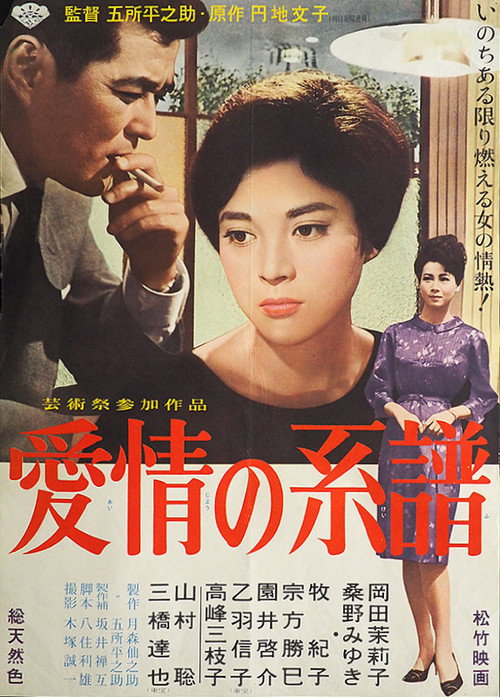
Love's Family Tree 1961
Love's Family Tree (1961) stands as a poignant Japanese drama that explores the intricate bonds within family structures during a transformative era.
Director: Heinosuke Gosho
Cast






Frequently Asked Questions
What is Love's Family Tree (1961) about?
Love's Family Tree is a Japanese family drama that examines the complex relationships and emotional connections between family members during the early 1960s. The film explores themes of reconciliation, duty, and the bonds that tie generations together.
Who directed Love's Family Tree?
The film was directed by Heinosuke Gosho, a renowned Japanese filmmaker known for his humanistic approach and significant contributions to post-war Japanese cinema.
Who stars in Love's Family Tree?
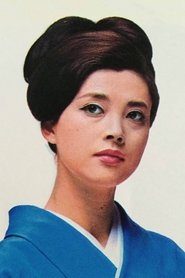
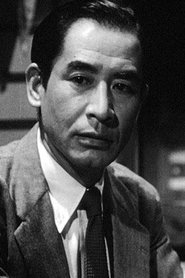
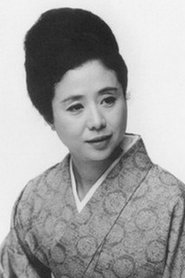
The film features Mariko Okada, Miyuki Kuwano, Tatsuya Mihashi, So Yamamura, Nobuko Otowa, and Mieko Takamine in key roles.
Is Love's Family Tree (1961) worth watching?
As a classic example of Japanese family drama from the early 1960s, this film offers valuable insight into both cinematic history and cultural perspectives of its time. Fans of traditional drama and Japanese cinema will find it particularly worthwhile.
How long is Love's Family Tree?
The film runs for 106 minutes.
Love's Family Tree (1961): A Timeless Japanese Family Drama — Full Movie Info
Love's Family Tree (1961) stands as a poignant Japanese drama that explores the intricate bonds within family structures during a transformative era. Directed by the respected Heinosuke Gosho, this 106-minute film weaves together the lives of its characters through moments of tenderness, conflict, and reconciliation. The movie captures the essence of post-war Japanese society, where traditional family values intersect with modern changes.
Featuring a distinguished ensemble cast including Mariko Okada, Miyuki Kuwano, and Tatsuya Mihashi, the film presents authentic portrayals of human relationships and emotional depth. The atmosphere reflects Gosho's signature style of gentle realism, examining how past decisions ripple through generations. Themes of duty, love, and understanding resonate throughout this contemplative drama that represents an important chapter in Japanese cinema history.