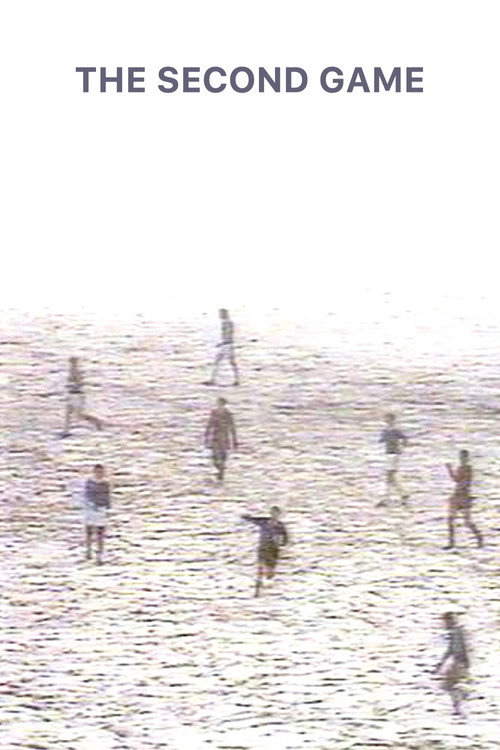
The Second Game 2014
In *The Second Game (2014)*, filmmaker Corneliu Porumboiu and his father, former referee Adrian Porumboiu, revisit a legendary 1988 football match they once experienced together—this time through the lens of history.
Director: Corneliu Porumboiu
Cast
Frequently Asked Questions
What is The Second Game (2014) about?
This documentary revisits a 1988 Dinamo vs. Steaua football match refereed by the director's father, weaving their real-time commentary with archival footage. Set in heavy snow just before Romania's 1989 revolution, it blends sports history with personal and political reflection.
Who directed The Second Game?
Corneliu Porumboiu directed *The Second Game*. Known for his sharp, observational style in films like *12:08 East of Bucharest*, he brings a filmmaker's eye to this intimate father-son dialogue.
Who stars in The Second Game?
The film features director Corneliu Porumboiu and his father, Adrian Porumboiu, whose real-life roles as filmmaker and former referee shape the documentary's unique perspective.
Is The Second Game (2014) worth watching?
Absolutely, if you appreciate documentaries that uncover history through personal stories. Its restrained storytelling and historic setting make it a compelling watch, even without a traditional plot or high-energy action.
How long is The Second Game?
The Second Game runs for 97 minutes.
🎥 Trailer
About The Second Game (2014) — A father-son football match and Romania's unspoken past
In *The Second Game (2014)*, filmmaker Corneliu Porumboiu and his father, former referee Adrian Porumboiu, revisit a legendary 1988 football match they once experienced together—this time through the lens of history. The documentary pairs their real-time commentary with the original broadcast footage of a bitter Bucharest derby between Dinamo and Steaua, played in a blizzard just months before Romania's anti-Ceaușescu revolution. What begins as a nostalgic sports retrospective unfolds into a layered exploration of memory, politics, and the personal weight of a nation's past. The film's minimalist approach—two voices, one screen—creates an unexpectedly intimate atmosphere, blending the tension of the match with the quiet drama of a father and son reflecting on their shared history.
Director Porumboiu crafts a work that's both a tribute to the untold stories of Romanian football and a subtle meditation on authority and rebellion. The snowy stadium, the crackling television broadcast, and the duo's candid observations transform a forgotten game into a microcosm of a country on the brink. It's a film where silence speaks as loudly as the roar of the crowd, proving that sometimes the most powerful stories are the ones told in passing.