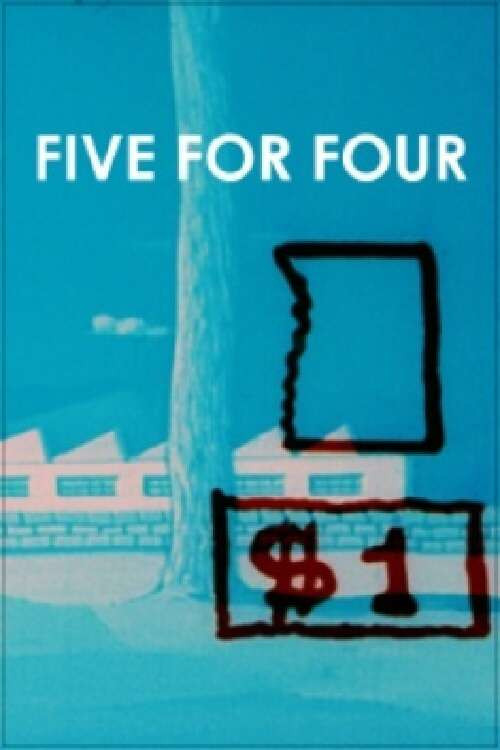
5 for 4 1942
In 1942, legendary animator Norman McLaren crafted *5 for 4*, a brisk three-minute wartime propaganda short that blends playful artistry with urgent social messaging.
Director: Norman McLaren
Frequently Asked Questions
What is 5 for 4 (1942) about?
This three-minute animated short by Norman McLaren serves as a wartime savings campaign, using abstract dancing figures drawn directly on film to convey its message. The film combines artistic experimentation with a call to action, set against a simple background and backed by a swinging jazz score.
Who directed 5 for 4?
The film was directed by Norman McLaren, a pioneering animator known for his innovative techniques and contributions to experimental film.
Who stars in 5 for 4?
Cast details for *5 for 4 (1942)* are not listed, as the film relies on symbolic animation rather than traditional performers.
Is 5 for 4 (1942) worth watching?
While it's a brief three-minute watch, *5 for 4 (1942)* is a fascinating piece of wartime cinema history. Its experimental animation and strong visuals make it a unique study of how art served propaganda during World War II, especially for fans of early animation and McLaren's work.
How long is 5 for 4?
The runtime of *5 for 4 (1942)* is 3 minutes.
About 5 for 4 (1942) — A Wartime Savings Short by Norman McLaren
In 1942, legendary animator Norman McLaren crafted *5 for 4*, a brisk three-minute wartime propaganda short that blends playful artistry with urgent social messaging. Created by drawing figures directly onto 35mm film stock, the piece features whimsical, dancing symbols set against a minimalist painted backdrop. Set to Albert Ammons' lively "Pinetop's Boogie Woogie," the film transforms abstract shapes into a rhythmic plea for savings and sacrifice during wartime, merging experimental animation with patriotic purpose.
This fleeting yet inventive short stands as a unique artifact of early wartime cinema, where creativity met national duty. Its experimental techniques—hand-drawn animation on film stock—pioneered visual storytelling that feels both timeless and distinctly of its era. *5 for 4 (1942)* is a snapshot of how art served a higher cause, offering a glimpse into the intersection of entertainment and wartime communication.