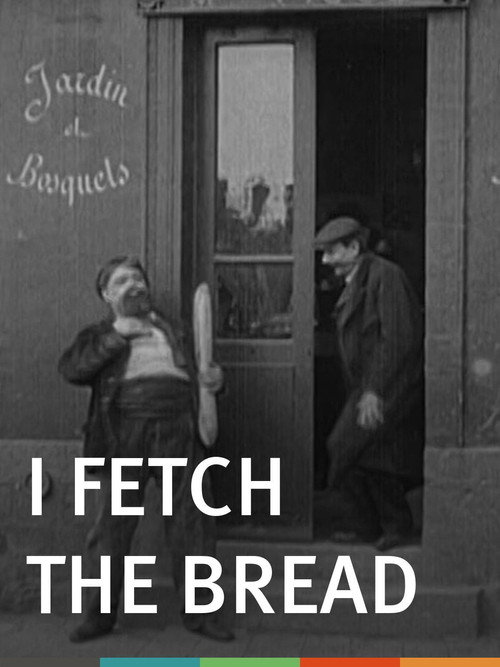
I Fetch the Bread 1906
I Fetch the Bread (1906) is a silent-era comedy short that delivers pure, chaotic fun in just five minutes.
Frequently Asked Questions
What is I Fetch the Bread (1906) about?
A man is tasked with fetching bread, but instead gets swept up in a series of visits to Parisian drinking establishments. Another man follows, only to repeat the same pattern, both returning completely inebriated.
Who directed I Fetch the Bread?
Director information is not available.
Who stars in I Fetch the Bread?
This early silent short features unknown actors, typical of the era's anonymous performers.
Is I Fetch the Bread (1906) worth watching?
As a 5-minute silent comedy, it's a fascinating relic of early film history and a fun slice of absurdist humor. While not a masterpiece, its charm lies in its simplicity and the novelty of seeing silent-era slapstick up close.
How long is I Fetch the Bread?
Runtime is 5 minutes.
🎥 Trailer
About I Fetch the Bread (1906) — The Silly Silent Comedy Short You Have to See
I Fetch the Bread (1906) is a silent-era comedy short that delivers pure, chaotic fun in just five minutes. Directed by an unknown filmmaker of the early film era, the story follows a simple errand gone wildly off the rails: a man is sent to fetch bread, but ends up on a spirited tour of Parisian taverns instead. Before long, a second man chases after him—only to meet the same fate, both returning thoroughly inebriated. The film thrives on absurdity and visual gags, embodying the playful spirit of early slapstick cinema. With no dialogue to rely on, the humor comes from exaggerated expressions, chaotic energy, and the sheer ridiculousness of the premise.
Set against the backdrop of 1900s Paris, I Fetch the Bread captures a fleeting moment of carefree mischief, long before the rise of narrative cinema. The charm lies in its simplicity and the timeless joke of an innocent task spiraling into madness. Though modest in length, its comedic timing and visual storytelling reflect the humble origins of filmmaking itself. The silent treatment only adds to the magic, inviting viewers to experience the humor visually and intuitively.