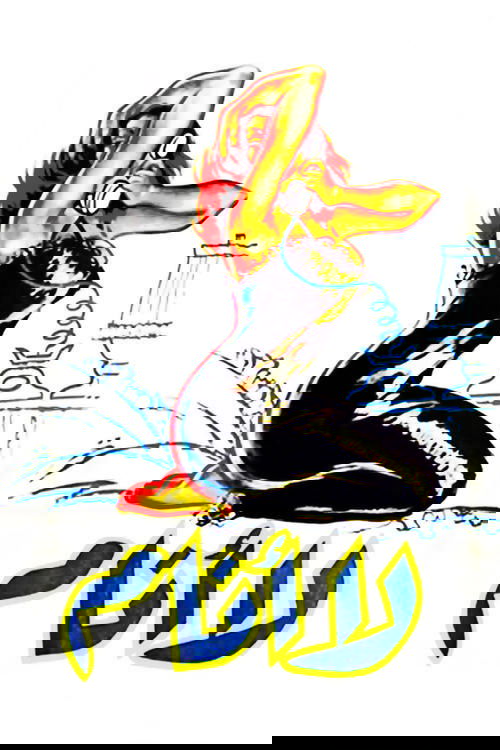
Sleepless 1957
In the atmospheric world of 1950s Cairo, *Sleepless (1957)* unfolds as a gripping drama of jealousy and forbidden desire.
Director: Salah Abu Seif
Cast







Frequently Asked Questions
What is Sleepless (1957) about?
The film follows Nadia, a spoiled young heiress who becomes consumed by jealousy when her father announces plans to remarry. Her desperate attempts to sabotage the relationship lead to a web of lies and an ill-fated affair with an older man.
Who directed Sleepless?
Salah Abu Seif, one of Egypt's most celebrated directors, helmed *Sleepless* and crafted its emotionally charged narrative.
Who stars in Sleepless?
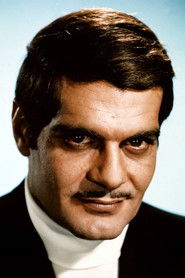
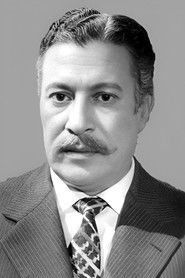
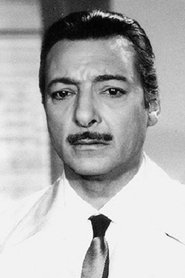
The film features a powerhouse cast including Faten Hamama, Omar Sharif, Yehia Chahine, Hind Rostom, and Mariam Fakhr Eddine in pivotal roles.
Is Sleepless (1957) worth watching?
As a classic Egyptian drama, *Sleepless* offers rich storytelling and legendary performances from its cast. While IMDb ratings are unavailable, its themes of jealousy and societal norms remain compelling for fans of vintage cinema.
How long is Sleepless?
The runtime of *Sleepless* is 125 minutes, or just over two hours.
About Sleepless (1957) — A Classic Egyptian Drama of Jealousy and Forbidden Passion
In the atmospheric world of 1950s Cairo, *Sleepless (1957)* unfolds as a gripping drama of jealousy and forbidden desire. Directed by the masterful Salah Abu Seif, this film dives into the turbulent emotions of Nadia, a privileged young woman whose world unravels when she discovers her father's intention to remarry. Fueled by insecurity and resentment, she spirals into deceit, targeting her father's new bride and entangling herself in a dangerous affair with an older man.
At its heart, *Sleepless* explores themes of obsession, generational conflict, and the destructive power of lies, all wrapped in the golden glow of classic Egyptian cinema. With a stellar cast led by Faten Hamama, Omar Sharif, and Hind Rostom, the film balances romance with raw drama, creating an emotional rollercoaster that lingers long after the credits roll. The lush visuals and sharp storytelling make it a standout in the golden age of Arabic cinema.