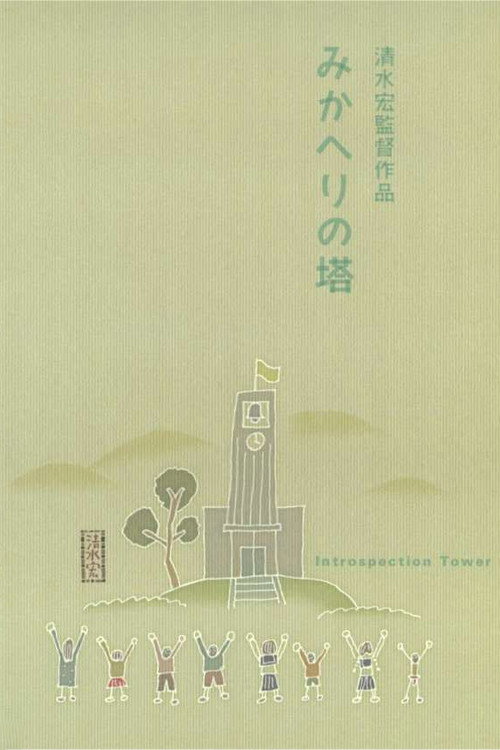
Introspection Tower 1941
In Hiroshi Shimizu's quietly powerful 1941 drama *Introspection Tower*, a remote reformatory in the Japanese countryside struggles under immense pressure as 200 troubled youth test the limits of their caretakers' patience.
Director: Hiroshi Shimizu
Cast



Frequently Asked Questions
What is Introspection Tower (1941) about?
*Introspection Tower* follows the daily struggles of a reformatory housing 200 delinquent children as its staff battles relentless challenges, including a critical water shortage. The film explores the emotional and physical toll on both the caretakers and the youth, revealing the fragile balance between order and chaos.
Who directed Introspection Tower?
Introspection Tower was directed by Hiroshi Shimizu, a master of Japanese social dramas known for his humanistic storytelling and keen observations of everyday struggles.
Who stars in Introspection Tower?
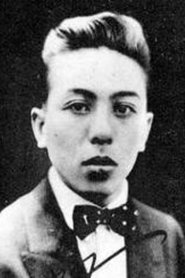
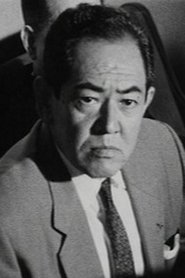
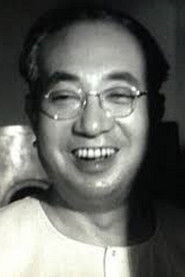
The film features Shin'yō Nara, Chishū Ryū, Kenji Oyama, Toshiaki Konoe, and Seiji Nishimura in pivotal roles.
Is Introspection Tower (1941) worth watching?
While *Introspection Tower* lacks an IMDb rating, its stark portrayal of resilience and societal pressure makes it a compelling watch for fans of classic Japanese dramas. Shimizu's direction and the film's thematic depth offer a rewarding experience for those interested in historical and socially conscious cinema.
How long is Introspection Tower?
Introspection Tower has a runtime of 111 minutes.
About Introspection Tower (1941) — Hiroshi Shimizu's poignant drama of discipline and desperation
In Hiroshi Shimizu's quietly powerful 1941 drama *Introspection Tower*, a remote reformatory in the Japanese countryside struggles under immense pressure as 200 troubled youth test the limits of their caretakers' patience. The setting—isolated, sun-baked, and rationed—becomes a pressure cooker where every drop of water from the dwindling well feels like a small victory. Shimizu crafts an atmospheric study of discipline and desperation, where the staff's noble but strained efforts to instill order collide with the harsh realities of scarcity and human nature.
The film's unflinching gaze lingers on the stark contrasts between hope and hardship, framed through the lens of 1940s social dramas. Shimizu's signature restraint amplifies the tension, making *Introspection Tower (1941)* a poignant reflection on resilience and the human spirit in adversity. Shot in black-and-white with a documentary-like precision, the movie immerses viewers in a world where every small triumph feels hard-won and every setback resonates deeply.