Nightfall 1971
Dutch conceptual artist Bas Jan Ader's *Nightfall* (1971) transforms a humble garage-studio into a theater of tension and inevitability.
Director: Bas Jan Ader
Cast
Frequently Asked Questions
What is Nightfall (1971) about?
*Nightfall* follows Bas Jan Ader as he lifts a heavy brick in his studio, crushing strands of exposed light bulbs with each repetition. The tension mounts until the room is consumed by darkness, leaving the outcome both inevitable and unresolved.
Who directed Nightfall?
The film was directed by Bas Jan Ader, a Dutch conceptual artist known for his poetic and often melancholic explorations of human experience.
Who stars in Nightfall?
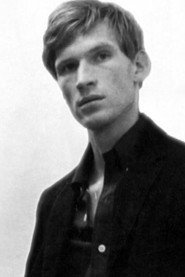
The sole performer in *Nightfall* is its director, Bas Jan Ader, whose physical presence drives the film's minimalist narrative.
Is Nightfall (1971) worth watching?
As a 4-minute documentary, *Nightfall* offers a striking, thought-provoking experience that resonates with themes of effort and failure. While unconventional, its stark intensity makes it compelling for fans of experimental cinema.
How long is Nightfall?
The runtime of *Nightfall* is 4 minutes.
About Nightfall (1971) — The 4-minute film that turns struggle into silence
Dutch conceptual artist Bas Jan Ader's *Nightfall* (1971) transforms a humble garage-studio into a theater of tension and inevitability. Shot in stark black-and-white, the four-minute film captures the artist methodically lifting a large brick over his shoulder, bathed in the harsh glare of tangled light bulbs. As the weight strains against his frame, the tension builds—one strand of lights snaps under the strain, then another, until the entire space is plunged into darkness. The abrupt, uncompromising ending lingers like an unresolved question, leaving viewers to confront the fragility of human effort against forces beyond control.
This raw, minimalist piece isn't just a performance; it's a meditation on endurance, failure, and the quiet moments where persistence collides with the inevitable. The play of light and shadow, the rhythmic sound of labor, and the sudden absence of illumination create an atmosphere both unsettling and hypnotic. *Nightfall* doesn't just document an action—it evokes the existential weight of every small struggle that ends in darkness.