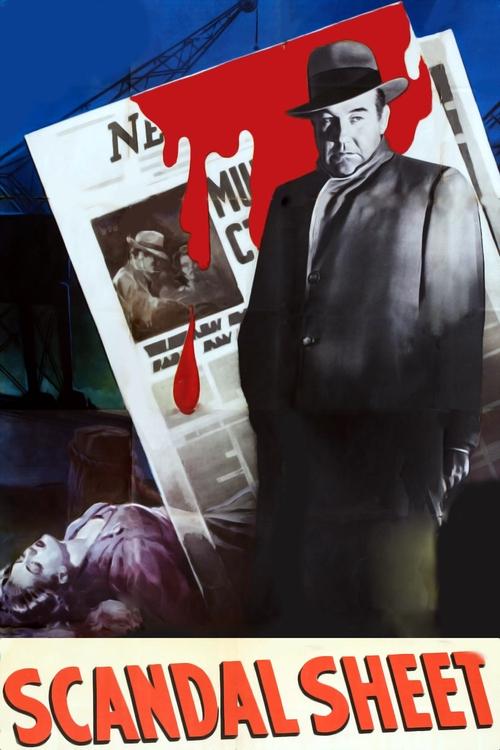
Scandal Sheet 1952
"The man from "The Mob" is making another killing!"
Dive into the gritty world of "Scandal Sheet (1952)", a razor-sharp crime thriller directed by Phil Karlson that blends deception with tabloid sensationalism.
Director: Phil Karlson
Cast






Frequently Asked Questions
What is Scandal Sheet (1952) about?
This crime thriller follows the twisted actions of a tabloid editor who commits murder and then assigns a junior reporter to solve the case—unaware the reporter is investigating his own boss. The film unravels a web of lies, ambition, and media manipulation.
Who directed Scandal Sheet?
Phil Karlson directed this gripping noir-style thriller, known for his sharp eye for tension and moral ambiguity.
Who stars in Scandal Sheet?
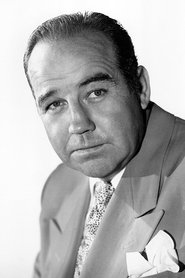
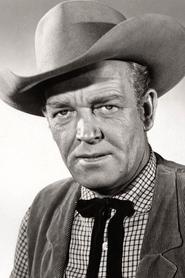
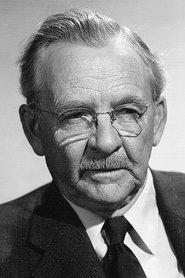
Broderick Crawford leads the cast as the manipulative editor, joined by Donna Reed, John Derek, Rosemary DeCamp, and Henry O'Neill in pivotal roles.
Is Scandal Sheet (1952) worth watching?
While not widely rated, "Scandal Sheet (1952)" delivers a tight, dialogue-driven crime thriller with strong performances and a compelling premise. Fans of classic noir or tabloid dramas will find plenty to enjoy in its brisk 82-minute runtime.
How long is Scandal Sheet?
Scandal Sheet runs for 82 minutes, making it a perfect bite-sized noir experience.
🎥 Trailer
Scandal Sheet (1952): Tabloid Secrets and Murderous Ambitions Explored
Dive into the gritty world of "Scandal Sheet (1952)", a razor-sharp crime thriller directed by Phil Karlson that blends deception with tabloid sensationalism. Broderick Crawford headlines as a ruthless newspaper editor who orchestrates a murder, then tasks an eager young reporter—played by John Derek—with uncovering the truth, setting the stage for a tense cat-and-mouse game. Donna Reed and Rosemary DeCamp round out the cast, adding emotional depth to the dark narrative of ambition, power, and journalistic ethics.
Set against the neon-lit backdrop of mid-century newsrooms, "Scandal Sheet (1952)" thrives on its morally ambiguous characters and relentless pacing. The film explores how far someone will go to protect their secrets, all while the relentless machinery of the press churns onward. With sharp dialogue and a cynical tone, this forgotten gem offers a peek into the underbelly of 1950s media culture.