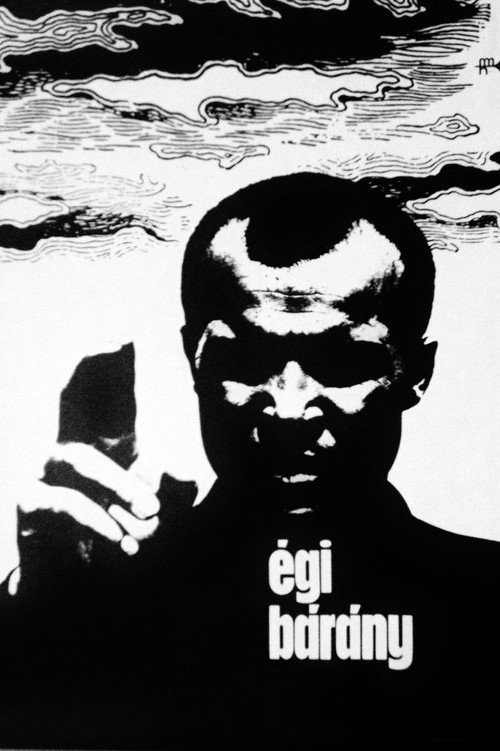
Agnus Dei 1971
Agnus Dei (1971), Miklós Jancsó's haunting historical allegory, dives deep into Hungary's turbulent past with raw intensity. The film unfolds as a revolutionary army unit spares the life of Father Vargha, a fanatical priest whose vengeance drives a bloody cycle of violence.
Director: Miklós Jancsó
Cast





Frequently Asked Questions
What is Agnus Dei (1971) about?
Agnus Dei (1971) explores Hungary's 1919 revolution and the rise of fascism through the lens of a revolutionary army's fateful decision. A priest spared by rebels returns to lead massacres, only to replace one form of repression with another. The film dissects how justice can twist into tyranny under the right circumstances.
Who directed Agnus Dei?
Agnus Dei was directed by Miklós Jancsó, a Hungarian filmmaker renowned for his stark visual storytelling and political allegories.
Who stars in Agnus Dei?
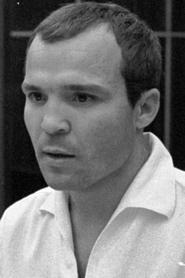
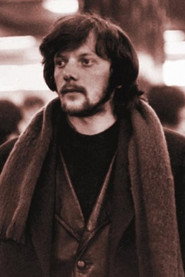
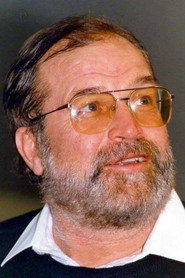
The film features a powerhouse cast including József Madaras, Daniel Olbrychski, Márk Zala, Lajos Balázsovits, and Jaroslava Schallerová, each delivering gripping performances that amplify the film's themes.
Is Agnus Dei (1971) worth watching?
While Agnus Dei (1971) isn't a mainstream crowd-pleaser, its historical depth and Jancsó's masterful direction make it a compelling watch for fans of political cinema and existential drama. The film's runtime is brief but impactful, ensuring every minute counts.
How long is Agnus Dei?
Agnus Dei (1971) runs for 84 minutes, a concise runtime that packs a punch with its intense narrative and stark visuals.
About Agnus Dei (1971) — A Chilling Allegory of Power and Hypocrisy
Agnus Dei (1971), Miklós Jancsó's haunting historical allegory, dives deep into Hungary's turbulent past with raw intensity. The film unfolds as a revolutionary army unit spares the life of Father Vargha, a fanatical priest whose vengeance drives a bloody cycle of violence. When he returns, he orchestrates massacres under the guise of justice, only to replace one oppressive force with another—this time draped in the false mantle of progress. Jancsó's stark visuals and unflinching portrayal of hypocrisy weave a chilling tale of power, betrayal, and the cyclical nature of tyranny.
Set against the rural landscapes of early 20th-century Hungary, the atmosphere is thick with dread and moral ambiguity. Key figures like József Madaras and Daniel Olbrychski embody the tension between idealism and brutality, while the film's concise 84-minute runtime keeps the narrative razor-sharp. Agnus Dei (1971) isn't just a period piece—it's a meditation on how oppression mutates, disguised as salvation.