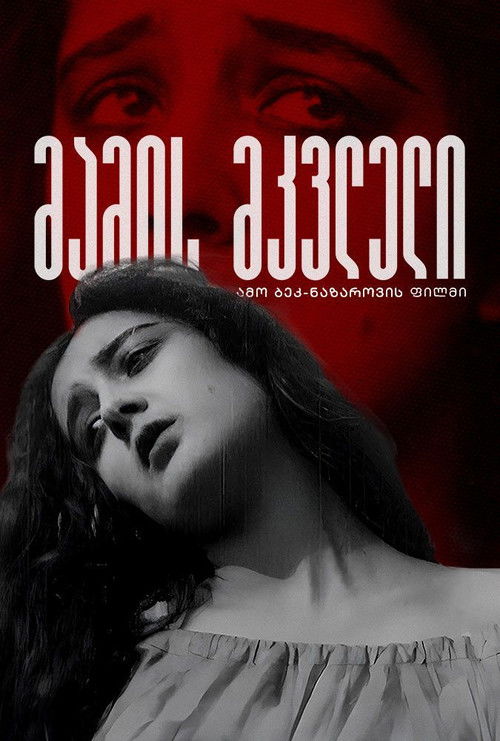
The killer of the father 1923
The killer of the father (1923), directed by the visionary Hamo Bek-Nazaryan, is a gripping silent-era drama steeped in raw emotion and relentless tragedy.
Director: Hamo Bek-Nazaryan
Cast
Frequently Asked Questions
What is The killer of the father (1923) about?
The killer of the father (1923) is a silent-era drama about a doomed romance between Nunu and Iago, shattered by the violent obsession of Girgola, a married guard. Girgola's cruelty leads to kidnapping, betrayal, and a desperate fight for survival, culminating in a heart-wrenching climax where love and tragedy collide.
Who directed The killer of the father?
The killer of the father was directed by Hamo Bek-Nazaryan, a pioneering figure in early Armenian cinema known for blending emotional depth with gripping storytelling.
Who stars in The killer of the father?
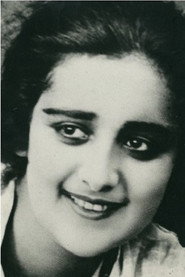
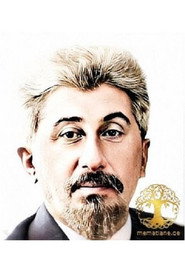
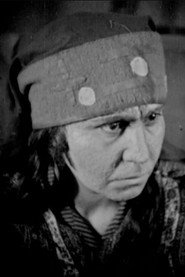
The film features standout performances from Nato Vachnadze, Vaso Arabidze, Vano Saradjishvili, Kote Andronikashvili, and Akaki Vasadze as the central characters caught in its tragic web.
Is The killer of the father (1923) worth watching?
As a silent-era drama, The killer of the father (1923) offers a compelling mix of romance and action with a raw, emotional edge. While it lacks modern pacing, its themes of injustice and resilience make it a fascinating watch for fans of historical cinema or early 20th-century storytelling.
How long is The killer of the father?
The killer of the father has a runtime of 61 minutes, making it a concise yet impactful silent-era film.
About The killer of the father (1923) — A silent-era tragedy of love, revenge, and survival
The killer of the father (1923), directed by the visionary Hamo Bek-Nazaryan, is a gripping silent-era drama steeped in raw emotion and relentless tragedy. Set against a backdrop of love, betrayal, and vengeance, this action-adventure-romance film follows Nunu and her beloved Iago as their bond is torn apart by the ruthless Girgola, a married guard consumed by obsession. Girgola's cruelty escalates from kidnapping to violence, leading to a heartbreaking chain of events: Iago's imprisonment, Nunu's forced marriage, and a tragic suicide attempt that leaves her rescued but destitute. The film's haunting atmosphere—dark, oppressive, and charged with desperation—mirrors the moral decay of its antagonist, culminating in a brutal confrontation that claims lives and leaves Nunu framed for her father's murder.
This silent classic blends romance with high-stakes action, all while exploring themes of power, injustice, and survival. Bek-Nazaryan's direction infuses the story with a stark, almost poetic realism, making The killer of the father (1923) a poignant time capsule of early cinema's power to evoke deep emotion through minimal dialogue.