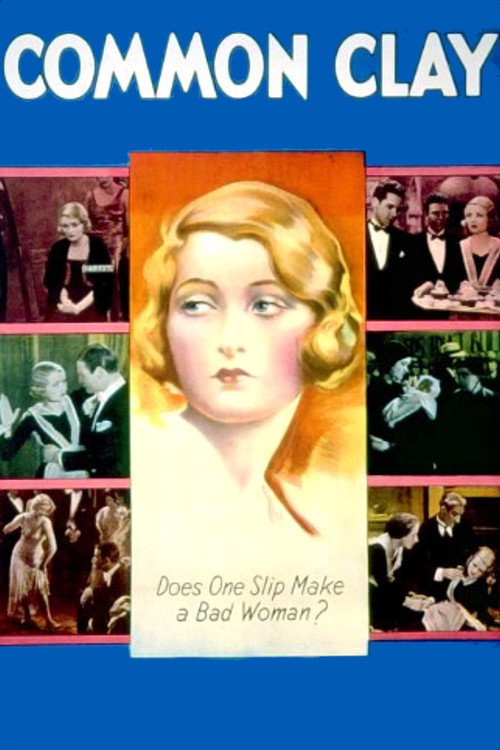
Common Clay 1930
"When night life people are made to face the daylight, everything is revealed."
Victor Fleming's *Common Clay (1930)* is a gripping pre-Code drama that unfolds in the shadowy divide between wealth and servitude.
Director: Victor Fleming
Cast






Frequently Asked Questions
What is Common Clay (1930) about?
The film follows Ellen Neal, a young servant who becomes pregnant after an affair with the wealthy Fullerton family's son. When she seeks recognition for her child, the Fullertons label her a blackmailer, leading to a dramatic confrontation that exposes the hypocrisy of their privileged world.
Who directed Common Clay?
Victor Fleming, the acclaimed director behind classics like *Gone with the Wind* and *The Wizard of Oz*, helmed *Common Clay*.
Who stars in Common Clay?
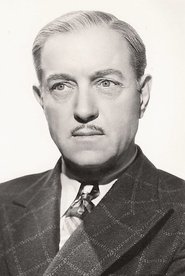
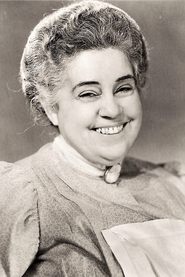
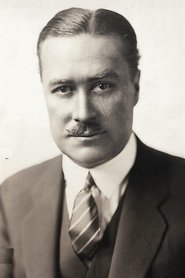
The film stars Constance Bennett as Ellen Neal, Lew Ayres as the Fullerton son, and features standout performances from Tully Marshall and Beryl Mercer.
Is Common Clay (1930) worth watching?
While the IMDb rating is unlisted, *Common Clay* remains a fascinating snapshot of pre-Code Hollywood's bold approach to social issues. Its drama-driven narrative and strong performances make it a compelling watch for fans of early cinema and classic melodramas.
How long is Common Clay?
The film runs for 89 minutes, offering a tight, engaging runtime for its dramatic story.
About Common Clay (1930) — A Pre-Code Drama of Scandal and Social Divide
Victor Fleming's *Common Clay (1930)* is a gripping pre-Code drama that unfolds in the shadowy divide between wealth and servitude. Set in the glittering world of New York's elite, the film follows young Ellen Neal (Constance Bennett), a humble servant who becomes entangled in a scandalous affair with the Fullerton family's son. When Ellen discovers she's pregnant, the Fullerton patriarch dismisses her as a gold-digger, setting the stage for a dramatic clash of class and morality.
With sweeping emotional intensity and sharp social commentary, *Common Clay (1930)* explores themes of exploitation, resilience, and the harsh realities faced by women in a rigidly stratified society. Bennett delivers a standout performance, embodying both vulnerability and quiet strength, while Fleming's direction infuses the narrative with a sense of urgency and moral ambiguity. The film's atmospheric tension lingers long after the credits roll, making it a compelling watch for fans of early cinema's bold storytelling.