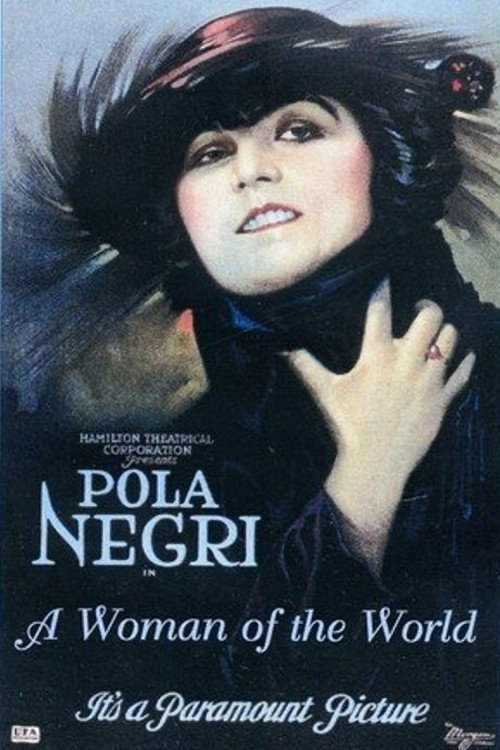
A Woman of the World 1925
In *A Woman of the World (1925)*, Polish-born silent-era sensation Pola Negri stars as a glamorous European countess seeking refuge in a conservative small-town American community after her lover betrays her. Directed by Malcolm St.
Director: Malcolm St. Clair
Cast
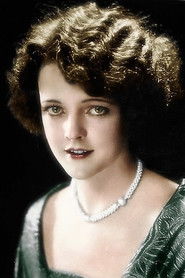

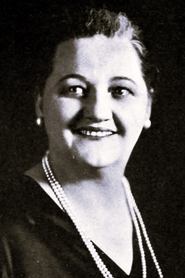
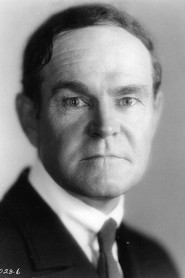
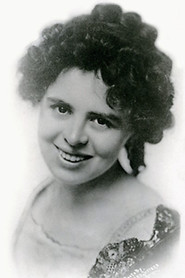
Frequently Asked Questions
What is *A Woman of the World* (1925) about?
The film follows a European countess who flees a broken romance to live with her American relatives in a tight-knit small town. Her bold personality and unapologetic ways challenge the community's conservative norms, sparking chaos and unexpected twists.
Who directed *A Woman of the World*?
Malcolm St. Clair helmed the film, helming a career-defining performance from Pola Negri in this blend of comedy and drama.
Who stars in *A Woman of the World*?
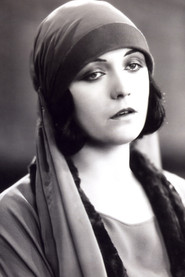
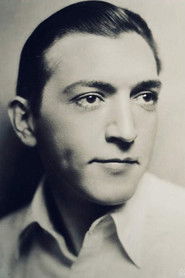
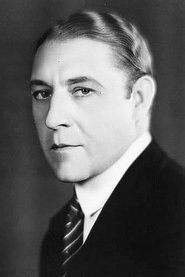
The film features Pola Negri as the countess, alongside Charles Emmett Mack, Holmes Herbert, Blanche Mehaffey, and Chester Conklin in key roles.
Is *A Woman of the World* (1925) worth watching?
Though unrated, this silent-era comedy-drama stands out for Negri's magnetic presence and St. Clair's sharp direction. For fans of vintage cinema or stories about outsiders shaking up closed communities, it's a hidden delight—just keep an open mind for its era's sensibilities.
How long is *A Woman of the World*?
The film runs for 70 minutes, a concise runtime perfect for a quick but impactful viewing experience.
About A Woman of the World (1925) — Pola Negri's defiant silent-era comedy-drama
In *A Woman of the World (1925)*, Polish-born silent-era sensation Pola Negri stars as a glamorous European countess seeking refuge in a conservative small-town American community after her lover betrays her. Directed by Malcolm St. Clair with a sharp eye for both comedy and drama, the film blends biting social satire with the fiery charisma of Negri, whose arrival sends shockwaves through the stodgy locals. As the outsider disrupts their rigid morals, the story unfolds with a mix of mischief and melancholy, capturing the tension between old-world allure and Midwestern prudishness.
With its 70-minute runtime packed with expressive visuals and witty intertitles, this silent gem offers more than just vintage charm—it's a time capsule of 1920s attitudes toward female independence and cultural clashes. Fans of early cinema will appreciate the film's playful yet poignant tone, while modern viewers might see echoes of today's debates over tradition versus progress in Negri's defiant performance.