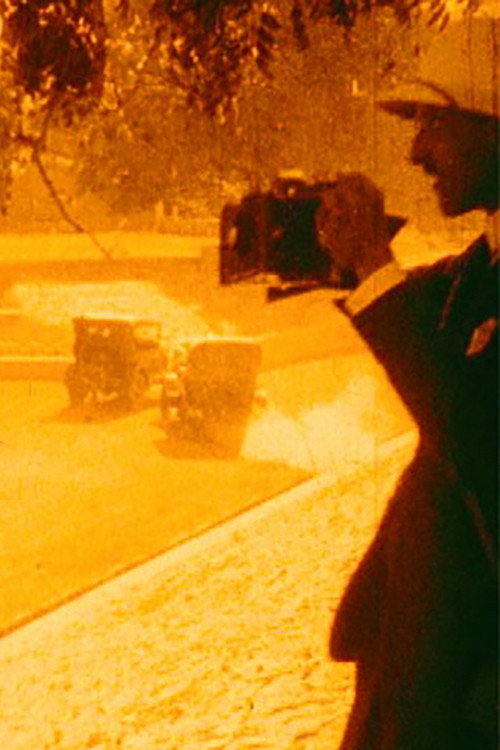
Images of the Orient - "Vandalic Tourism" 2001
Yervant Gianikian's *Images of the Orient - "Vandalic Tourism" (2001)* peels back the layers of early 20th-century European travel footage from India, exposing the colonial gaze through meticulously dissected archival images.
Director: Yervant Gianikian
Cast
Frequently Asked Questions
What is *Images of the Orient - "Vandalic Tourism" (2001)* about?
This experimental documentary examines archival travel footage from the late 1920s, when European tourists documented their journeys through India. Gianikian and Ricci Lucchi analyze these images to reveal the colonial attitudes embedded in Western perceptions of the East.
Who directed *Images of the Orient - "Vandalic Tourism" (2001)*?
The film was directed by Yervant Gianikian, a renowned figure in experimental cinema known for his work with archival material.
Who stars in *Images of the Orient - "Vandalic Tourism" (2001)*?
The documentary features the voice of Giovanna Marini, alongside the archival footage and analysis by directors Gianikian and Ricci Lucchi.
Is *Images of the Orient - "Vandalic Tourism" (2001)* worth watching?
As a documentary that blends history with critical theory, it's best suited for viewers interested in colonial studies or avant-garde cinema. While not widely mainstream, its thoughtful deconstruction of archival footage makes it a compelling watch for niche audiences.
How long is *Images of the Orient - "Vandalic Tourism" (2001)*?
The runtime is 62 minutes.
About Images of the Orient - "Vandalic Tourism" (2001) — A Deconstruction of Colonial Travel Footage
Yervant Gianikian's *Images of the Orient - "Vandalic Tourism" (2001)* peels back the layers of early 20th-century European travel footage from India, exposing the colonial gaze through meticulously dissected archival images. In this experimental documentary, Gianikian and Angela Ricci Lucchi dissect silent reels shot by upper-class tourists in the late 1920s, when anti-colonial resistance was surging. The film transforms mundane travelogues into a critical study of power, privilege, and perception, revealing how Westerners framed the East through a lens of exoticism and control.
The atmosphere is hauntingly reflective, blending archival fragility with sharp socio-political commentary. By slowing down and annotating the footage, the directors expose the subtext of these seemingly innocuous clips—stripping away layers of nostalgia to uncover the political undercurrents of tourism as cultural domination. The result is a meditation on history, memory, and the ethics of representation.