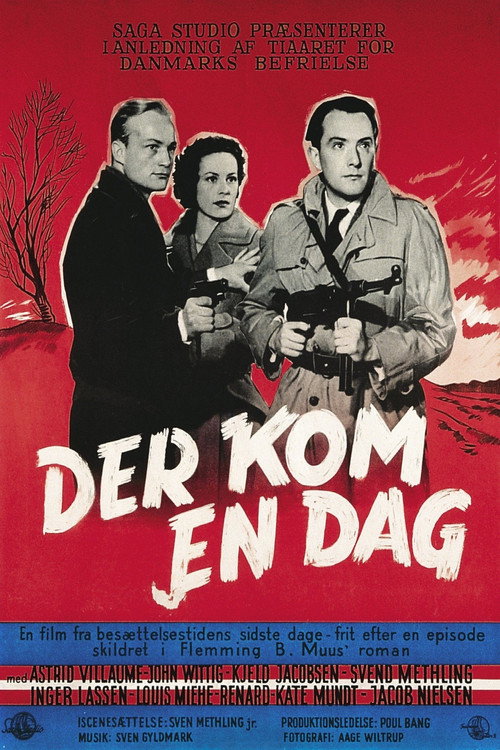
Der kom en dag 1955
Set against the backdrop of Nazi-occupied Denmark in 1940, *Der kom en dag* (1955) is a gripping wartime drama inspired by true events and Flemming B. Muus's novel *The Day Came*.
Director: Sven Methling
Cast
Frequently Asked Questions
What is Der kom en dag (1955) about?
The film portrays the early days of Nazi occupation in Denmark and the quiet rise of resistance among its people. Inspired by real events, it shows how ordinary citizens found strength in solidarity to challenge oppression and reclaim their country.
Who directed Der kom en dag?
The film was directed by Sven Methling, a filmmaker whose work often explored historical and social themes during his career.
Who stars in Der kom en dag?
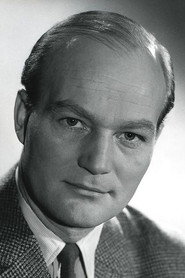
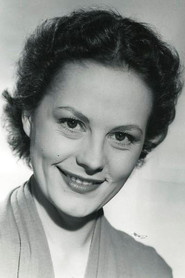
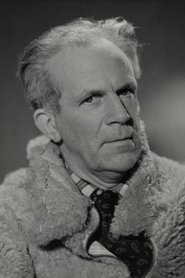
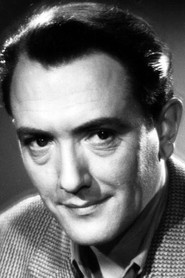
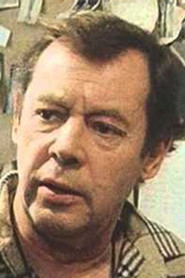
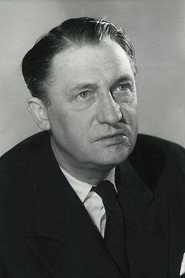
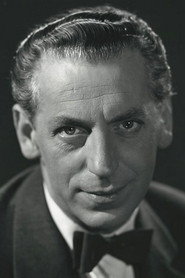
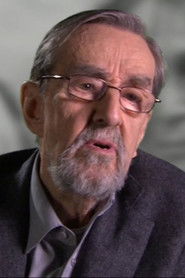
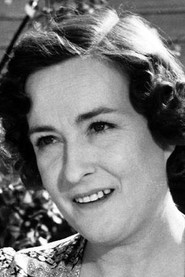
The lead roles are played by John Wittig, Astrid Villaume, and Svend Methling, with strong support from Kjeld Jacobsen and Louis Miehe-Renard.
Is Der kom en dag (1955) worth watching?
As a historical drama rooted in real events, *Der kom en dag* offers a compelling look at resilience and defiance. While it doesn't hold modern awards recognition, its thematic depth and authentic portrayal of resistance make it a meaningful watch for fans of wartime cinema.
How long is Der kom en dag?
The film has a runtime of 102 minutes.
About Der kom en dag (1955) — A True Story of Courage and Resistance
Set against the backdrop of Nazi-occupied Denmark in 1940, *Der kom en dag* (1955) is a gripping wartime drama inspired by true events and Flemming B. Muus's novel *The Day Came*. Directed by Sven Methling, this film captures the raw defiance and resilience of a nation forced into submission yet refusing to surrender its spirit. The story follows ordinary citizens who, despite overwhelming odds, band together to resist oppression and reclaim their freedom. With a mood of quiet determination and emotional intensity, it's a tribute to the courage of those who dared to hope amid darkness.
John Wittig leads the ensemble cast, delivering a powerful performance that anchors the film's themes of unity and resistance. Supported by Astrid Villaume and Svend Methling, the narrative weaves personal stakes with the larger fight for liberation. A story of moral clarity and quiet heroism, *Der kom en dag* remains a poignant reminder of the human will to fight for justice, even in the face of tyranny.