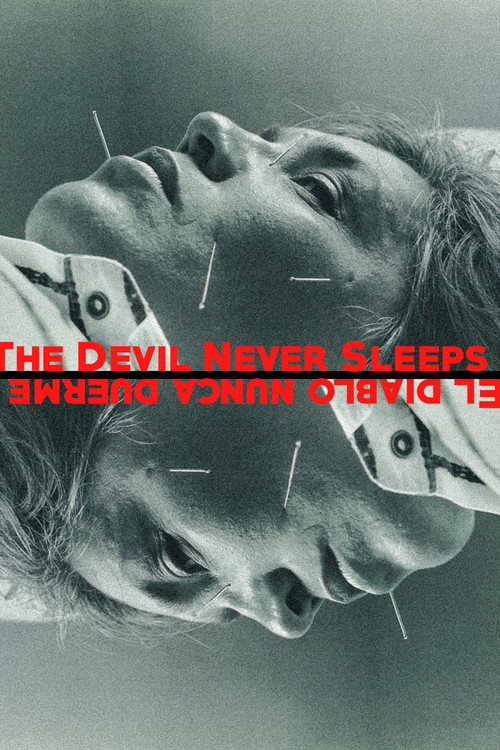
The Devil Never Sleeps 1994
Lourdes Portillo's *The Devil Never Sleeps (1994)* plunges into the shadows of a Mexican family's darkest secrets after the suspicious death of her wealthy uncle, Oscar.
Director: Lourdes Portillo
Frequently Asked Questions
What is The Devil Never Sleeps (1994) about?
This 1994 documentary follows filmmaker Lourdes Portillo as she investigates her uncle Oscar's controversial death, initially ruled a suicide but suspected by relatives to be murder. As she interviews family members and acquaintances, conflicting stories emerge, each painting a different picture of Oscar's life and the people who might have wanted him gone.
Who directed The Devil Never Sleeps?
The film was directed by Lourdes Portillo, a renowned filmmaker known for her explorations of Latin American identity and social justice themes.
Who stars in The Devil Never Sleeps?
Director Lourdes Portillo is the central figure, but the film features candid interviews with her relatives, including her uncle's widow, business partners, and ranch hands connected to the case.
Is The Devil Never Sleeps (1994) worth watching?
For fans of investigative documentaries and true-crime narratives, *The Devil Never Sleeps* offers a compelling mix of personal drama and mystery. Its sharp focus on family dynamics and cultural tensions elevates it beyond a simple whodunit, though its unrated status may limit mainstream appeal.
How long is The Devil Never Sleeps?
The film runs for 82 minutes, making it a concise yet immersive watch for documentary enthusiasts.
About The Devil Never Sleeps (1994) — A Gripping Documentary Unmasking Family Secrets
Lourdes Portillo's *The Devil Never Sleeps (1994)* plunges into the shadows of a Mexican family's darkest secrets after the suspicious death of her wealthy uncle, Oscar. Officially ruled a suicide, whispers of murder swirl among relatives, each pointing fingers at different suspects—his business partner, a ranch hand, or even his young widow poised to inherit his fortune. Traveling to Mexico, Portillo becomes both investigator and storyteller, weaving a gripping documentary that blends personal grief with a meticulous whodunit. Through intimate interviews and evocative visuals, the film dissects power, greed, and the suffocating grip of family expectations against a backdrop of lush landscapes and tense family gatherings.
The atmosphere crackles with tension as Portillo navigates a labyrinth of half-truths, cultural norms, and unspoken tensions. This isn't just a tale of a crime—it's a meditation on memory, justice, and the lies we tell to protect our own. The documentary's raw honesty and sharp focus on class and gender dynamics make it a standout in the genre, leaving viewers questioning who really holds the reins of truth.