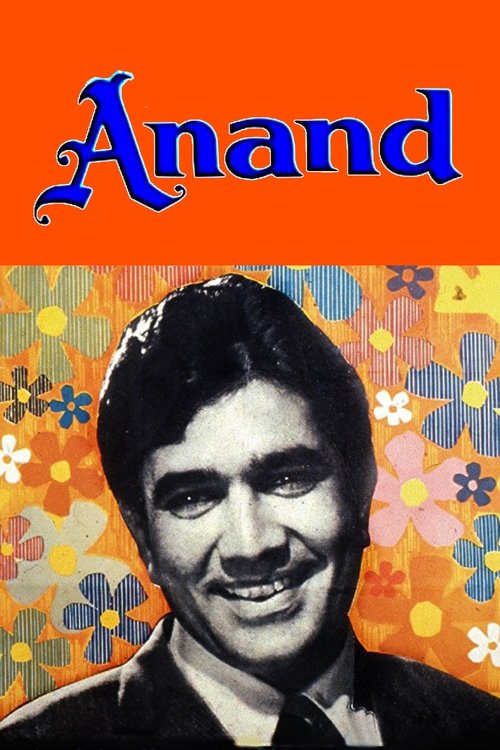
Anand 1971
In Anand (1971), master filmmaker Hrishikesh Mukherjee crafts a poignant drama that explores life's fleeting beauty through the eyes of Dr. Bhaskar Bannerjee, a physician weighed down by the relentless cycle of suffering around him.
Director: Hrishikesh Mukherjee
Cast






Frequently Asked Questions
What is Anand (1971) about?
This deeply moving drama follows Dr. Bhaskar Bannerjee, a weary physician battling the harsh realities of poverty and illness. His perspective shifts dramatically when he meets Anand, a terminal cancer patient who decides to live fully, spreading light and warmth despite his circumstances.
Who directed Anand?
Anand was helmed by the acclaimed Hrishikesh Mukherjee, known for his emotionally resonant films that balance humor and heartache with effortless grace.
Who stars in Anand?
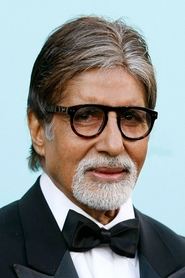
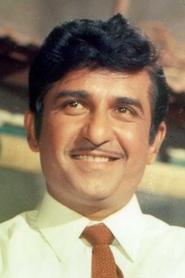
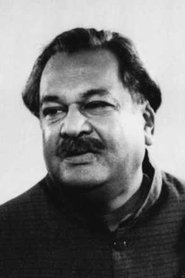
The film stars Rajesh Khanna as Anand, supported by Amitabh Bachchan as Dr. Bhaskar Bannerjee, alongside Sumita Sanyal, Ramesh Deo, Seema Deo, and Lalita Pawar.
Is Anand (1971) worth watching?
A timeless gem of Indian cinema, Anand offers a rare blend of melancholy and inspiration. Its stellar cast, masterful direction, and universal themes of hope and human connection make it a must-watch for fans of thoughtful drama.
How long is Anand?
Anand has a runtime of 122 minutes, making it a concise yet impactful cinematic experience.
🎥 Trailer
About Anand (1971) — A Tragic Comedy of Hope and Human Connection
In Anand (1971), master filmmaker Hrishikesh Mukherjee crafts a poignant drama that explores life's fleeting beauty through the eyes of Dr. Bhaskar Bannerjee, a physician weighed down by the relentless cycle of suffering around him. The arrival of Anand, a terminally ill cancer patient with an indomitable spirit, disrupts his somber routine. With radiant optimism despite his dire prognosis, Anand chooses to embrace every moment, turning his final days into an uplifting testament to joy, resilience, and the profound connections we forge.
Directed with emotional precision and anchored by stellar performances, this heartfelt classic blends melancholy with unshakable hope. Mukherjee's sensitive storytelling highlights themes of mortality, purpose, and the transformative power of positivity, all draped in a warm, reflective atmosphere that lingers long after the credits roll.