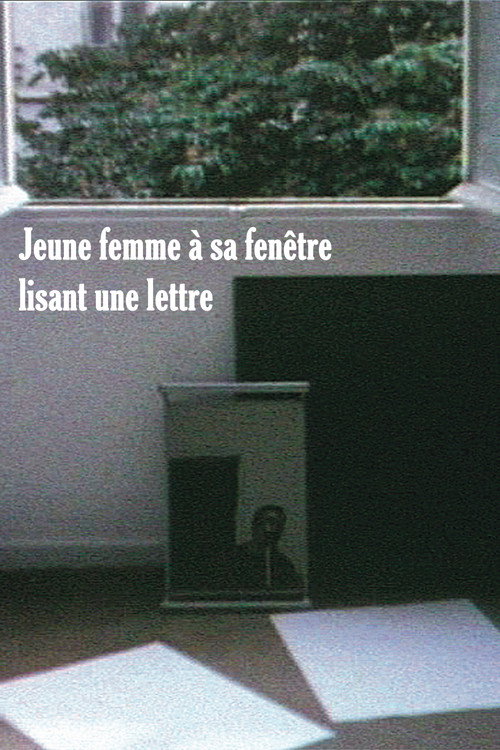
Jeune femme à sa fenêtre lisant une lettre 1983
Jean-Claude Rousseau's *Jeune femme à sa fenêtre lisant une lettre (1983)* unfolds as a mesmerizing cinematic meditation, marking the director's first foray into medium-length filmmaking.
Director: Jean-Claude Rousseau
Cast
Frequently Asked Questions
What is *Jeune femme à sa fenêtre lisant une lettre (1983)* about?
The film captures a young woman engrossed in reading a letter, framed through a window like a living Vermeer painting. Rousseau's camera lingers on the scene, transforming a fleeting moment into a timeless study of light, stillness, and human introspection.
Who directed *Jeune femme à sa fenêtre lisant une lettre*?
Jean-Claude Rousseau directed the film, emerging as a distinctive voice in European documentary cinema during the early 1980s.
Who stars in *Jeune femme à sa fenêtre lisant une lettre*?
The film stars Jean-Claude Rousseau himself, with the sole focus on the anonymous young woman reading the letter, framed as the central visual subject.
Is *Jeune femme à sa fenêtre lisant une lettre (1983)* worth watching?
While the film is unrated, its artistic ambition and restored presentation make it a compelling watch for fans of slow cinema and art-infused storytelling. Its patient pacing and visual depth reward those seeking a contemplative experience rather than conventional narrative.
How long is *Jeune femme à sa fenêtre lisant une lettre*?
The film runs for 46 minutes.
About Jeune femme à sa fenêtre lisant une lettre (1983) — A Restored Visual Meditation on Vermeer and Cinema
Jean-Claude Rousseau's *Jeune femme à sa fenêtre lisant une lettre (1983)* unfolds as a mesmerizing cinematic meditation, marking the director's first foray into medium-length filmmaking. This 46-minute documentary quietly immerses viewers in a moment of stillness, echoing the intimate composure of Johannes Vermeer's iconic paintings. Through Rousseau's deliberate framing, the film blurs the line between observation and artistry, inviting audiences to ponder the quiet stories hidden within everyday scenes. The atmosphere is deliberately slow, almost painterly, with Rousseau's camera lingering on a lone figure absorbed in a letter, turning an ordinary act into something profound. Critics, including legendary filmmaker Jean-Marie Straub, have hailed Rousseau as a master of European cinema, and this restored print offers a rare glimpse into the development of his distinctive visual language.
The film's connection to Vermeer's *Woman in Blue Reading a Letter* isn't just thematic—it's a visual dialogue that elevates Rousseau's work beyond mere documentation. By focusing on light, composition, and the interplay of space, *Jeune femme à sa fenêtre lisant une lettre* becomes a study of how cinema can mirror the stillness of painting. Rousseau's approach is patient, almost meditative, allowing the viewer to savor the nuances of a single moment. For those who appreciate slow cinema or the intersection of art and filmmaking, this restored gem is a quiet revelation worth discovering.