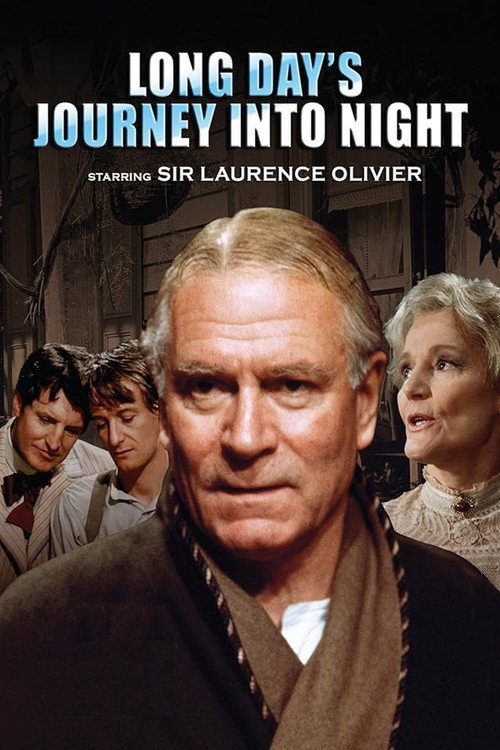
Long Day's Journey Into Night 1973
Peter Wood's 1973 television adaptation of Eugene O'Neill's Pulitzer-winning drama, *Long Day's Journey Into Night (1973)*, immerses viewers in the suffocating tension of a single day in 1912.
Director: Peter Wood
Cast




Frequently Asked Questions
What is Long Day's Journey Into Night (1973) about?
This powerful drama unfolds over 24 hours in a troubled family's life, where morphine addiction, tuberculosis, and alcoholism collide with deep-seated resentments. As the day stretches into night, their fragile bonds fray under the weight of honesty no one can bear.
Who directed Long Day's Journey Into Night?
Peter Wood directed this 1973 television adaptation of Eugene O'Neill's classic play.
Who stars in Long Day's Journey Into Night?
The stellar cast includes Laurence Olivier as patriarch James Tyrone, Constance Cummings as his wife Mary, Denis Quilley as their elder son Jamie, Ronald Pickup as Edmund, and Maureen Lipman in a pivotal supporting role.
Is Long Day's Journey Into Night (1973) worth watching?
With its unflinching portrayal of addiction and family dysfunction, this 161-minute drama is a standout in O'Neill's canon. Olivier's performance alone makes it compelling, though viewers seeking uplifting stories may find it heavy going.
How long is Long Day's Journey Into Night?
The film runs for 161 minutes—just shy of three hours.
About Long Day's Journey Into Night (1973) — A family cracks under addiction and regret in O'Neill's devastating drama
Peter Wood's 1973 television adaptation of Eugene O'Neill's Pulitzer-winning drama, *Long Day's Journey Into Night (1973)*, immerses viewers in the suffocating tension of a single day in 1912. Laurence Olivier stars as James Tyrone, a once-great actor whose family unravels under the weight of addiction, illness, and simmering resentment. His wife Mary battles morphine dependency, their younger son Edmund fights tuberculosis, and the elder son Jamie drowns his sorrows in drink and reckless living. As the clock ticks toward midnight, old wounds reopen—guilt festers, love curdles into bitterness, and the Tyrone household becomes a pressure cooker of raw, unfiltered human frailty.
This isn't just a play brought to screen; it's a masterclass in acting and direction, with Olivier's commanding presence anchoring a cast delivering heart-wrenching performances. Wood's stark, unflinching approach strips away comfort, exposing the rot beneath the family's polished exterior. The result is a haunting meditation on regret, substance abuse, and the inescapable shadows of the past—a film that lingers long after the credits roll.