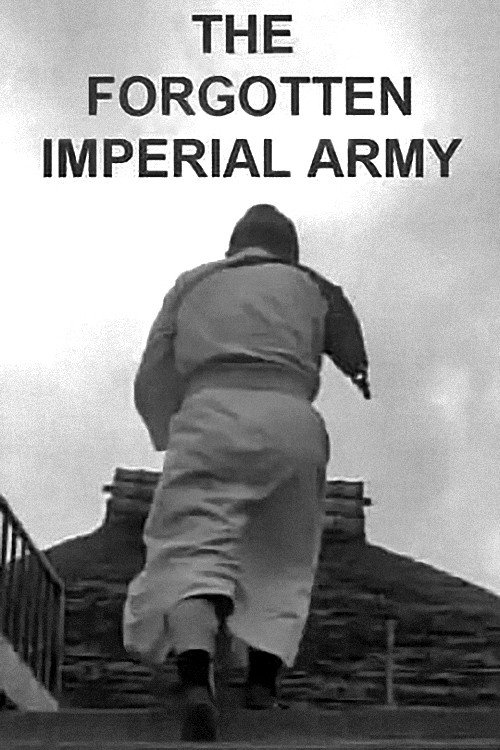
The Forgotten Imperial Army 1963
Directed by Nagisa Ōshima for Japanese television in 1963, *The Forgotten Imperial Army* shines a harsh spotlight on the forgotten Korean veterans conscripted into Japan's military during World War II.
Director: Nagisa Ōshima
Cast

Frequently Asked Questions
What is The Forgotten Imperial Army (1963) about?
Nagisa Ōshima's documentary follows Korean veterans who were forcibly conscripted into the Japanese Imperial Army during World War II, only to be left destitute and denied support afterward. The film highlights their struggles and Japan's unresolved moral responsibility.
Who directed The Forgotten Imperial Army?
The film was directed by Nagisa Ōshima, a bold filmmaking voice whose later works like *In the Realm of the Senses* cemented his reputation for pushing boundaries.
Who stars in The Forgotten Imperial Army?
The documentary features Hōsei Komatsu, along with other Korean veterans and survivors whose testimonies drive the narrative.
Is The Forgotten Imperial Army (1963) worth watching?
While short and unrated, its historical significance and uncompromising stance make it a compelling watch for documentary enthusiasts. Its themes of justice and memory remain strikingly relevant.
How long is The Forgotten Imperial Army?
The documentary runs approximately 25 minutes.
About The Forgotten Imperial Army (1963) — Nagisa Ōshima's unflinching look at wartime conscripts and postwar injustice
Directed by Nagisa Ōshima for Japanese television in 1963, *The Forgotten Imperial Army* shines a harsh spotlight on the forgotten Korean veterans conscripted into Japan's military during World War II. Their stories unfold against a backdrop of postwar destitution and bureaucratic neglect, as disabled survivors find themselves denied compensation simply because of their nationality. The documentary doesn't just recount history—it confronts a nation's lingering moral blind spots, capturing the quiet desperation of those abandoned by the country they served.
Searing and unflinching, Ōshima's early work blends raw human testimony with quiet outrage, exposing systemic injustice that resonates decades later. The film's restrained yet haunting tone lingers long after the credits roll, making it essential viewing for anyone interested in the intersection of war, identity, and accountability.