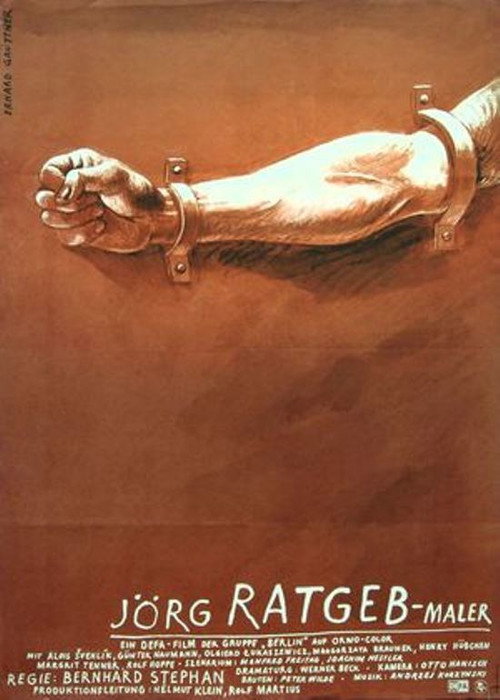
Jörg Ratgeb, Painter 1978
Set against the turbulent backdrop of 16th-century Germany on the brink of the Peasants' Revolt, *Jörg Ratgeb, Painter* (1978) follows the internal and external struggles of its eponymous protagonist.
Director: Bernhard Stephan
Cast
Frequently Asked Questions
What is Jörg Ratgeb, Painter (1978) about?
The film traces painter Jörg Ratgeb's journey as he seeks inspiration for a new religious artwork while navigating the growing unrest of the German Peasants' Revolt. His quest to find the perfect model for his Christ figure leads him through a landscape of political upheaval and personal reckoning.
Who directed Jörg Ratgeb, Painter?
The film was directed by Bernhard Stephan, known for his work in East German cinema that often explored historical and social themes.
Who stars in Jörg Ratgeb, Painter?
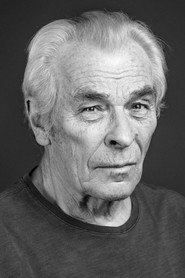
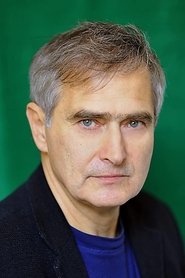
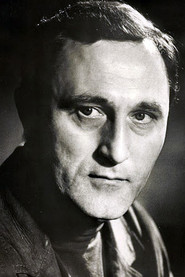
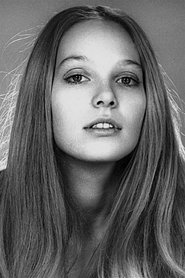
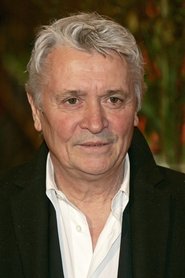
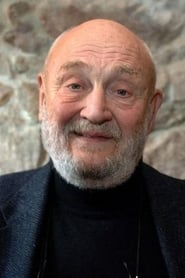
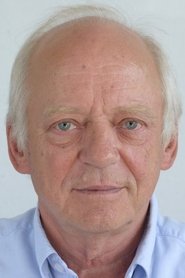
The cast features Alois Švehlík in the lead role, alongside Margrit Tenner, Olgierd Łukaszewicz, Günter Naumann, and Małgorzata Braunek.
Is Jörg Ratgeb, Painter (1978) worth watching?
For fans of historical dramas and art-house cinema, *Jörg Ratgeb, Painter* offers a unique blend of period authenticity and philosophical depth. While it lacks an IMDb rating, its focus on artistry and revolution may appeal to viewers seeking thoughtful, visually driven storytelling.
How long is Jörg Ratgeb, Painter?
The runtime of *Jörg Ratgeb, Painter* is 99 minutes.
About Jörg Ratgeb, Painter (1978) — Art, Faith, and Revolution in a 16th-Century Masterpiece
Set against the turbulent backdrop of 16th-century Germany on the brink of the Peasants' Revolt, *Jörg Ratgeb, Painter* (1978) follows the internal and external struggles of its eponymous protagonist. Directed by Bernhard Stephan, this historical drama stars Alois Švehlík as Jörg Ratgeb, a master painter grappling with artistic and existential doubt as he searches for a compelling model to embody Christ in his next masterpiece. His pilgrimage to consult the legendary Albrecht Dürer becomes a transformative journey, exposing him to the harsh realities faced by peasants and the simmering tensions of a society on the verge of rebellion.
The film weaves themes of art, faith, and political awakening into a visually rich narrative, blending period authenticity with deep philosophical inquiry. As Ratgeb moves between the studio and the chaos of the countryside, he confronts not only his creative block but also the moral weight of his detachment from the world around him. Shot with a deliberate, contemplative pace, this 99-minute gem captures both the beauty of Renaissance artistry and the unsettling echoes of a revolution brewing in the shadows.