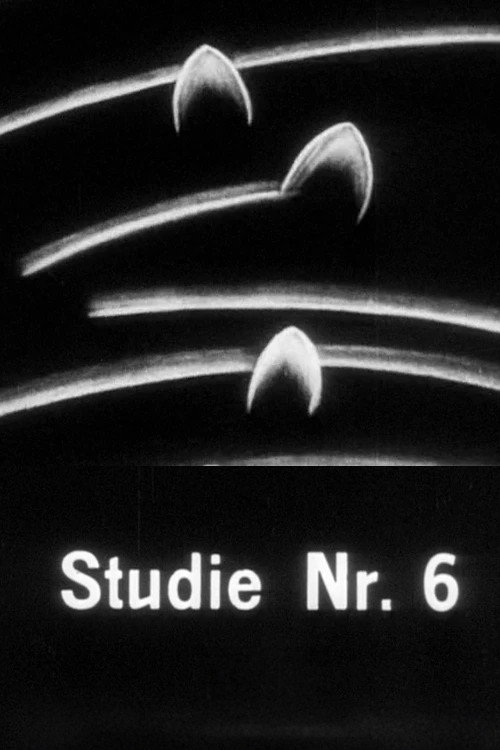
Study No. 6 1930
Step into the mesmerizing world of Oskar Fischinger's *Study No. 6* (1930), a groundbreaking two-minute abstract animation that masterfully marries visual artistry with early synchronized sound.
Director: Oskar Fischinger
Frequently Asked Questions
What is Study No. 6 (1930) about?
Study No. 6 is an abstract animation where geometric shapes—lines, arcs, and inverted U's—dance in perfect sync with music, creating a mesmerizing visual symphony. It's a short but groundbreaking experiment in blending sound and motion, offering a hypnotic glimpse into the interplay of rhythm and form.
Who directed Study No. 6?
Study No. 6 was directed by Oskar Fischinger, a pioneer of abstract animation whose work bridged visual art and music in groundbreaking ways.
Who stars in Study No. 6?
Director information is not available for the cast of Study No. 6, as it is an abstract animation with no credited actors.
Is Study No. 6 (1930) worth watching?
While *Study No. 6* is a niche, experimental short film, its historical significance in animation history makes it worth watching for enthusiasts. Its two-minute runtime is packed with creativity, offering a unique blend of art and rhythm that feels both nostalgic and visionary.
How long is Study No. 6?
Study No. 6 has a runtime of 2 minutes.
About Study No. 6 (1930) — The Silent Film That Revolutionized Visual Music
Step into the mesmerizing world of Oskar Fischinger's *Study No. 6* (1930), a groundbreaking two-minute abstract animation that masterfully marries visual artistry with early synchronized sound. This short film marks a pivotal moment in Fischinger's legendary *Studies* series, where geometric shapes—delicate white lines, sweeping arcs, and playful inverted U's—dance across the screen with the grace of ballet dancers, perfectly choreographed to the rhythm of music. The result is a hypnotic, almost musical symphony of motion, blending avant-garde aesthetics with a sense of rhythmic harmony that feels both timeless and groundbreaking. Though silent predecessors existed, *Study No. 6* was the first to fully embrace synchronized sound, elevating Fischinger's work from intriguing experiments to a transcendent sensory experience.
For fans of experimental cinema and visual music, *Study No. 6* offers a fleeting yet unforgettable glimpse into the origins of abstract animation. The film's minimalist yet dynamic compositions invite viewers to lose themselves in the interplay of light, form, and sound, creating an atmosphere that is both meditative and invigorating. Though the original soundtrack is lost to time, the film's legacy endures as a testament to Fischinger's genius—a visionary who transformed abstract art into a language of movement and melody. Whether you're a scholar of animation history or simply curious about the roots of visual storytelling, this tiny masterpiece packs a surprisingly powerful punch.