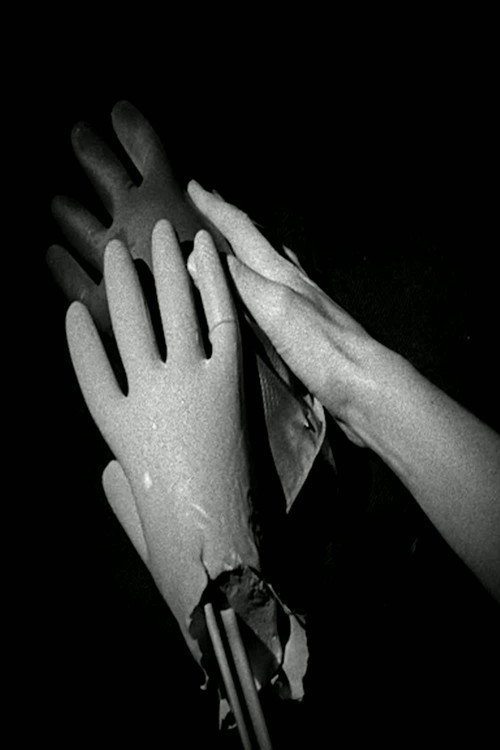
Magic Mirror 2013
Magic Mirror (2013), directed by Sarah Pucill, is a hypnotic visual poem that breathes new life into the enigmatic work of French Surrealist artist Claude Cahun.
Director: Sarah Pucill
Cast
Frequently Asked Questions
What is Magic Mirror (2013) about?
Magic Mirror (2013) reimagines the work of French Surrealist artist Claude Cahun by blending her iconic black-and-white photographs with passages from her book *Aveux Non Avenus*. The film creates a surreal dialogue between Cahun's visual art and Sarah Pucill's cinematic vision, exploring themes of selfhood, transformation, and the fluidity of identity.
Who directed Magic Mirror?
Magic Mirror was directed by Sarah Pucill, a filmmaker known for her visually rich and conceptually layered works that often intersect with feminist and surrealist traditions.
Who stars in Magic Mirror?
The film features performances by Andro Andrex, Rowina Lennon, and Kate Hart.
Is Magic Mirror (2013) worth watching?
Magic Mirror (2013) is a compelling watch for fans of surrealist cinema and art history, offering a unique fusion of photography, literature, and film. While its experimental nature may not appeal to all, its exploration of identity and artistic legacy makes it a thought-provoking experience for those seeking something beyond the mainstream.
How long is Magic Mirror?
Magic Mirror runs for 75 minutes.
About Magic Mirror (2013) — A Surrealist Journey Through Identity and Art
Magic Mirror (2013), directed by Sarah Pucill, is a hypnotic visual poem that breathes new life into the enigmatic work of French Surrealist artist Claude Cahun. By weaving together Cahun's striking black-and-white self-portraits with excerpts from her book *Aveux Non Avenus* (Confessions Denied), the film creates a dreamlike dialogue between photography and prose. Pucill's surrealist lens stitches Cahun's iconic imagery with her own, uncovering shared obsessions around identity, gender fluidity, and the blurred boundaries between self and art. The result is a mesmerizing 75-minute exploration of surrealist iconography that feels both timeless and urgently contemporary.
Step into a world where mirrors don't just reflect but distort, where words flicker like shadows on a wall, and every frame pulses with the defiance of a woman challenging the gaze of society. Magic Mirror (2013) transforms Cahun's legacy into a hypnotic, kaleidoscopic experience, inviting viewers to question everything they see—and don't see.