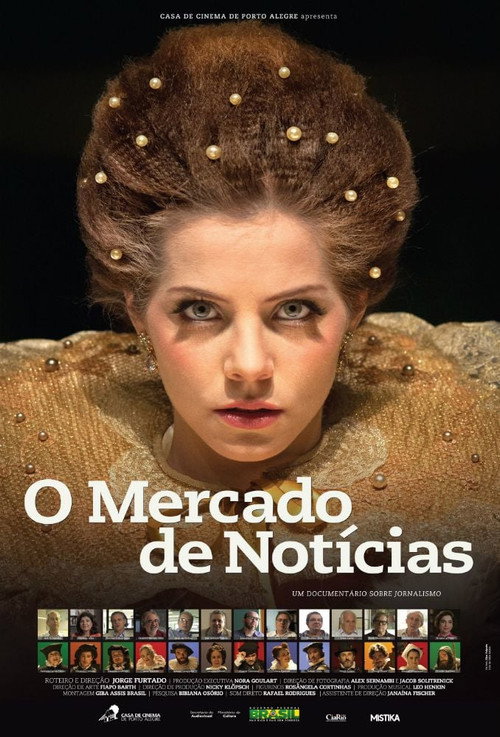
The Staple of News 2014
Jorge Furtado's *The Staple of News* (2014) dives into the heart of Brazil's media landscape, blending historical reflection with modern dilemmas.
Director: Jorge Furtado
Cast



Frequently Asked Questions
What is The Staple of News (2014) about?
This documentary examines the role and challenges of journalism in modern Brazil, tracing its roots back to Ben Jonson's 1625 play. Through interviews with journalists across generations, it tackles themes of credibility, political influence, and the subjective nature of reporting.
Who directed The Staple of News?
The film was directed by Jorge Furtado, a filmmaker known for his insightful and thought-provoking documentaries.
Who stars in The Staple of News?
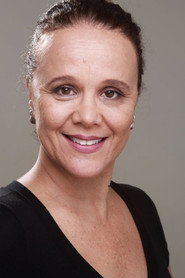
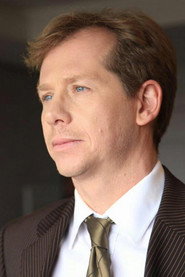
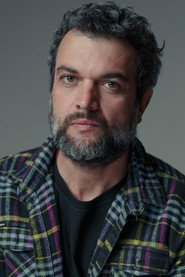
The documentary features Elisa Volpatto, Ursula Collischonn, Janaína Kremer, Mirna Spritzer, and Irene Brietzke among its key participants.
Is The Staple of News (2014) worth watching?
While it's a niche documentary, *The Staple of News* offers a fascinating look at media ethics and power dynamics in Brazil. If you're interested in journalism or historical parallels, it's a compelling watch despite its unrated status on IMDb.
How long is The Staple of News?
The runtime of *The Staple of News* is 94 minutes.
About The Staple of News (2014): Brazil's Media Under the Microscope
Jorge Furtado's *The Staple of News* (2014) dives into the heart of Brazil's media landscape, blending historical reflection with modern dilemmas. The documentary explores the evolving role of journalism through candid conversations with journalists spanning generations, dissecting the challenges of selecting stories, the tension between neutrality and political influence, and the blurred line between fact and interpretation. Shot in a contemplative style, the film captures the urgency of striking a balance between credibility and authenticity in an era where truth often feels subjective.
With a focus on the 17th-century satirical play by Ben Jonson as its starting point, the documentary becomes a mirror to today's media struggles, questioning whether the press can ever truly escape its role as a political actor. The atmosphere is both reflective and provocative, urging viewers to reconsider how news is shaped—and who holds the power to shape it.