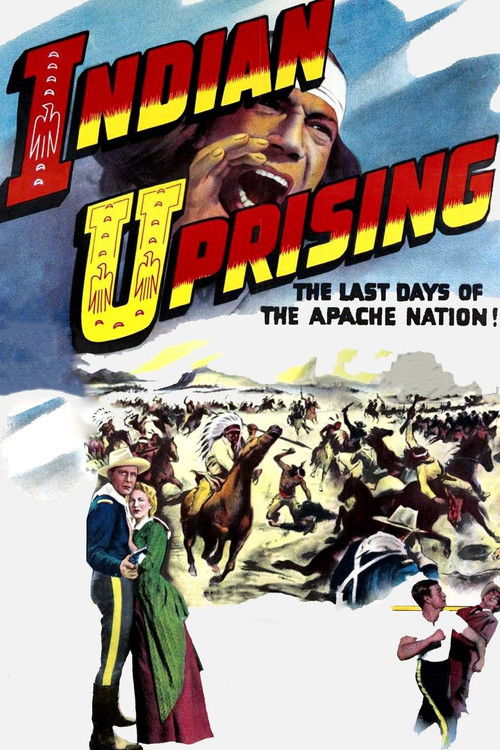
Indian Uprising 1952
"The End of the Mighty Apache Nation!"
Set against the sun-baked Arizona frontier of 1885, *Indian Uprising (1952)* pits duty against deception in a tense Western that captures the uneasy balance between soldiers and Native tribes.
Director: Ray Nazarro
Cast

George Montgomery
Capt. Chase McCloud

Audrey Long
Norma Clemson
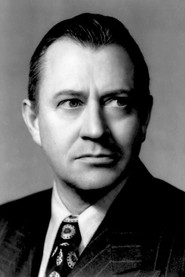
Carl Benton Reid
John Clemson

Eugene Iglesias
Sgt. Ramirez
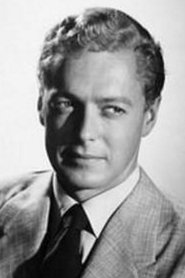
John Baer
Lt. Whitley
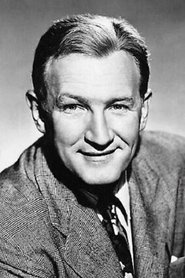
Joe Sawyer
Sgt. Maj. Phineas T. Keogh

Paul Campbell
Signal Man
Robert Foster Dover
Tubai
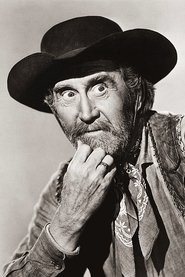
Eddy Waller
Sagebrush

Douglas Kennedy
Cliff Taggert
Frequently Asked Questions
What is Indian Uprising (1952) about?
*Indian Uprising (1952)* unfolds in 1885 Arizona, where an Army captain tries to maintain peace by keeping troops away from Apache lands. When influential forces push for gold mining to resume, a new commander recalls the soldiers, sparking a chain reaction of violence. Soon, settlers provoke the Apaches, hoping federal troops will wipe them out in retaliation.
Who directed Indian Uprising?
Ray Nazarro directed *Indian Uprising (1952)*, bringing his experience in Westerns to this tense frontier drama.
Who stars in Indian Uprising?
The film features George Montgomery, Audrey Long, and Carl Benton Reid leading the cast, with supporting roles from Eugene Iglesias, John Baer, and Joe Sawyer.
Is Indian Uprising (1952) worth watching?
While not a household name, *Indian Uprising (1952)* offers a solid slice of classic Western tension, with tight pacing and a morally complex setup. Fans of 1950s frontier sagas or George Montgomery's work may find it a compelling watch.
How long is Indian Uprising?
*Indian Uprising (1952)* runs for 72 minutes, a brisk runtime perfect for a focused Western narrative.
About Indian Uprising (1952) — A Gripping Western Confronting Frontier Injustice
Set against the sun-baked Arizona frontier of 1885, *Indian Uprising (1952)* pits duty against deception in a tense Western that captures the uneasy balance between soldiers and Native tribes. Directed by Ray Nazarro, the film follows a disciplined Army captain who believes peace can be kept by keeping his troops—and white settlers—off government land. But when Tucson's power brokers and hungry gold miners pressure Washington for action, a new commander arrives, orders are reversed, and the fragile truce shatters. As violence erupts, the captain must confront not only the Apaches' retaliation but the hidden agendas driving the conflict from behind the scenes.
With its stark portrayal of frontier injustice and the cost of unchecked ambition, *Indian Uprising (1952)* delivers a gripping Western that questions who truly threatens the peace—and whether reconciliation is even possible amid greed and prejudice.