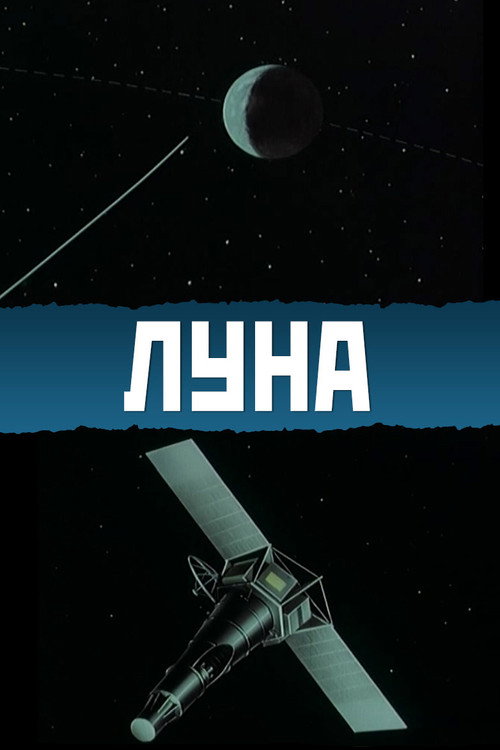
The Moon 1965
Step into the visionary world of *The Moon (1965)*, a groundbreaking science-fiction documentary directed by Pavel Klushantsev.
Director: Pavel Klushantsev
Frequently Asked Questions
What is The Moon (1965) about?
*The Moon (1965)* explores humanity's early ambitions to reach the lunar surface, blending scientific theory with speculative storytelling. The film envisions the challenges, technologies, and triumphs of manned missions to the Moon, all framed through a documentary lens that was revolutionary for its era.
Who directed The Moon?
Pavel Klushantsev directed *The Moon (1965)*. A pioneering Soviet filmmaker, Klushantsev was known for his technical ingenuity and futuristic storytelling, blending hard science with cinematic spectacle.
Who stars in The Moon?
Cast details for *The Moon (1965)* are not listed in available sources.
Is The Moon (1965) worth watching?
Though unrated on IMDb, *The Moon (1965)* remains a cult classic for its innovative approach to science-fiction and documentary filmmaking. Its blend of educational content and speculative storytelling offers a unique glimpse into Cold War-era space aspirations, making it a fascinating watch for genre fans and history buffs alike.
How long is The Moon?
The Moon (1965) has a runtime of 51 minutes.
About The Moon (1965) — A Soviet Sci-Fi Documentary That Predicted the Future
Step into the visionary world of *The Moon (1965)*, a groundbreaking science-fiction documentary directed by Pavel Klushantsev. Far ahead of its time, this 51-minute film immerses viewers in the bold dreams of space exploration, blending scientific speculation with cinematic wonder. Shot with a documentary aesthetic, it captures the awe and technical ambition of humanity's first lunar voyages, long before Neil Armstrong's iconic steps. The atmosphere is both educational and thrilling, blending hard science with the boundless imagination of the Space Age.
Klushantsev's direction transforms dry facts into a cinematic journey, making *The Moon (1965)* a time capsule of early space optimism. While it predates modern CGI, its detailed models and futuristic predictions feel eerily prophetic, inviting audiences to ponder what might have been if such missions had become reality decades earlier. A must-watch for sci-fi enthusiasts, historians, and anyone fascinated by the intersection of science and storytelling.