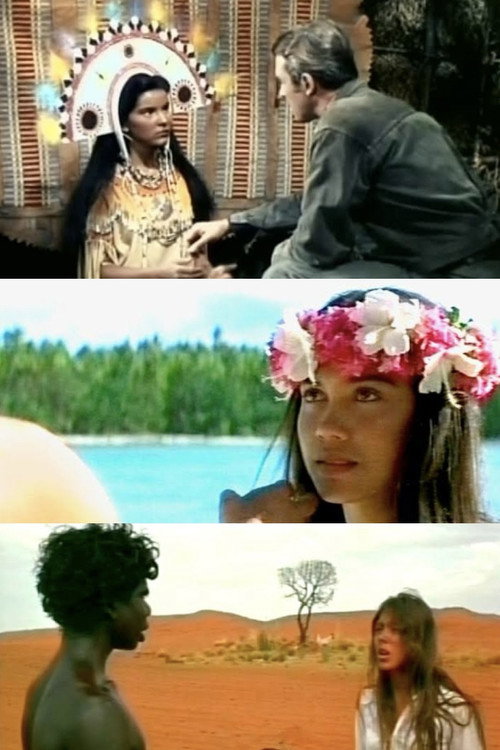
Other 2009
Tracey Moffatt's 'Other' (2009) closes her acclaimed decade-spanning video series with a hypnotic montage exploring cross-cultural encounters on screen.
Director: Tracey Moffatt
Frequently Asked Questions
What is Other (2009) about?
'Other' is a fast-paced video essay by Tracey Moffatt that compiles scenes from films and TV, focusing on interracial encounters. From first contact to intimate moments, it uses montage to explore themes of identity, representation, and cultural difference through a cinematic lens.
Who directed Other?
Other was directed by Tracey Moffatt, the acclaimed Australian filmmaker known for her innovative video works and visual storytelling.
Who stars in Other?
Director information is not available.
Is Other (2009) worth watching?
Though brief at just seven minutes, 'Other' is a standout in Moffatt's series for its bold thematic focus and striking visuals. It's a thought-provoking experience best suited for fans of experimental cinema and cultural analysis, offering a unique perspective on representation in media.
How long is Other?
Other has a runtime of 7 minutes.
About Other (2009): Tracey Moffatt's Hypnotic Collage of Interracial Encounters
Tracey Moffatt's 'Other' (2009) closes her acclaimed decade-spanning video series with a hypnotic montage exploring cross-cultural encounters on screen. Like its predecessors—'Lip' (1999), 'Artist' (2000), and 'Mother' (2009)—this final piece dissects cinematic moments through a curated lens, this time focusing on interracial narratives that span from first contact to intimate exchanges. The film's rapid-fire editing and striking visual contrasts create a mesmerizing rhythm, inviting viewers to reflect on representation, identity, and the quiet power of cinematic storytelling.
Part of Moffatt's signature style, 'Other' distills decades of film and television into a seven-minute collage that's both visually arresting and thematically rich. By weaving together archival footage and narrative fragments, the work challenges audiences to reconsider how difference is portrayed—and perceived—on the big and small screens alike. A bold, thought-provoking conclusion to a groundbreaking body of work.