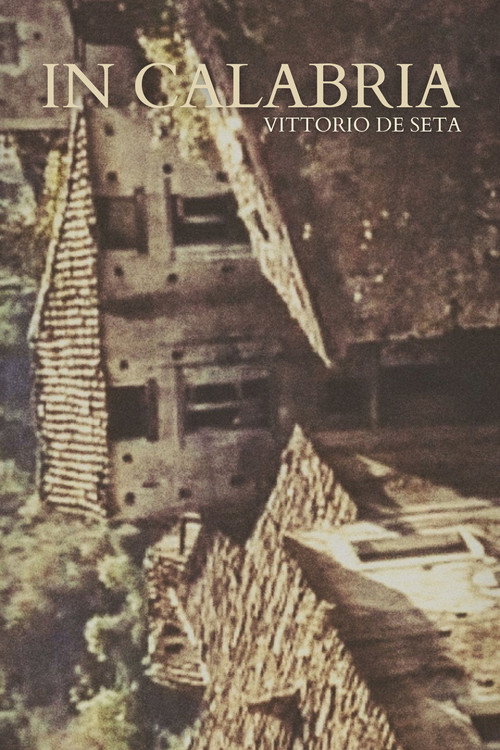
In Calabria 1993
Vittorio De Seta returns to Calabria in this reflective 1993 documentary, revisiting the landscapes and communities he first captured in his 1959 film *I Dimenticati*.
Director: Vittorio De Seta
Cast
Frequently Asked Questions
What is In Calabria (1993) about?
*In Calabria* is Vittorio De Seta's 1993 documentary that revisits the Calabrian region he first filmed in 1959. The film captures the rugged landscapes, traditional way of life, and slow-paced communities of southern Italy, serving as both a sequel and a time capsule of rural resilience.
Who directed In Calabria?
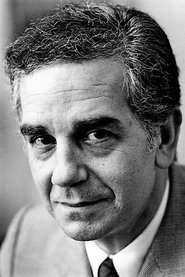
Vittorio De Seta directed *In Calabria (1993)*, a renowned filmmaker celebrated for his documentaries on Italian rural life.
Who stars in In Calabria?
The documentary stars Riccardo Cucciolla as the narrator and features the everyday people of Calabria as the real-life subjects of De Seta's lens.
Is In Calabria (1993) worth watching?
For fans of documentaries and Italian cinema, *In Calabria* is a gem. Its atmospheric visuals and nostalgic tone make it a compelling watch, though its niche appeal may not suit every audience. Given its runtime and subject matter, it's best approached with an appreciation for slow, observational filmmaking.
How long is In Calabria?
The runtime is 85 minutes.
About In Calabria (1993) — De Seta's 1993 Documentary Revisiting Southern Italy's Hidden Beauty
Vittorio De Seta returns to Calabria in this reflective 1993 documentary, revisiting the landscapes and communities he first captured in his 1959 film *I Dimenticati*. Over 85 minutes of contemplative footage, De Seta captures the rugged beauty and quiet resilience of a region untouched by time, offering a poignant time-capsule of rural life in southern Italy. The documentary blends stunning cinematography with a gentle meditation on memory, change, and the endurance of tradition.
In *In Calabria (1993)*, the director's lens lingers on the everyday rituals of Calabrian life—farming, fishing, and local festivals—while subtly highlighting the contrast between past and present. The film's atmosphere is one of quiet reverence, where the simplicity of the surroundings becomes a character in itself. De Seta's work remains a vital document for anyone interested in the cultural heritage of Italy's south.