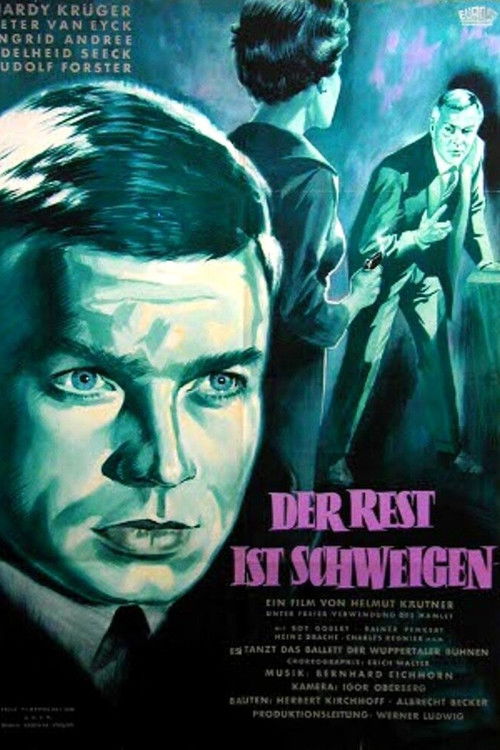
The Rest Is Silence 1959
Helmut Käutner's *The Rest Is Silence* (1959) reimagines Shakespeare's *Hamlet* in a gripping German drama that blends crime with familial betrayal.
Director: Helmut Käutner
Cast
Frequently Asked Questions
What is The Rest Is Silence (1959) about?
*The Rest Is Silence* follows a young man as he uncovers his uncle's role in his father's murder, drawing parallels to Shakespeare's *Hamlet*. The film blends crime and drama, using its noir-tinged setting to explore themes of betrayal, morality, and the inescapable past. A ghostly presence and a staged reenactment of the crime heighten the tension as justice slowly unfolds.
Who directed The Rest Is Silence?
The film was directed by Helmut Käutner, a prominent figure in post-war German cinema known for his nuanced storytelling and atmospheric films.
Who stars in The Rest Is Silence?
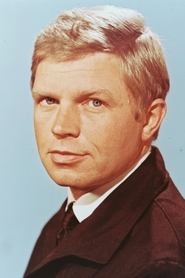
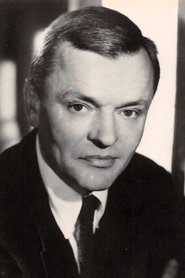
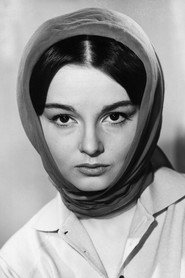
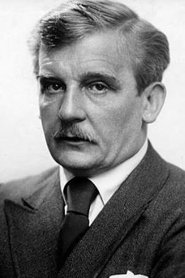
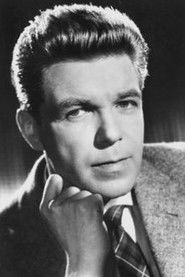
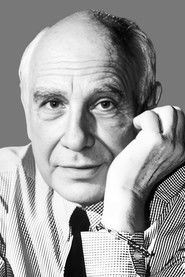
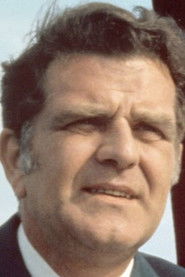
The cast features Hardy Krüger in the lead role, supported by Peter van Eyck, Ingrid Andree, Adelheid Seeck, and Rudolf Forster.
Is The Rest Is Silence (1959) worth watching?
*The Rest Is Silence* offers a compelling, if unconventional, take on a classic tale. While not as widely known as its Shakespearean inspiration, its tight direction and strong performances make it a rewarding watch for fans of period dramas and crime films. Though unrated, its atmospheric depth and thematic richness stand out in 1959 cinema.
How long is The Rest Is Silence?
The film has a runtime of 100 minutes.
About The Rest Is Silence (1959) — A Haunting Hamlet Reimagined
Helmut Käutner's *The Rest Is Silence* (1959) reimagines Shakespeare's *Hamlet* in a gripping German drama that blends crime with familial betrayal. Hardy Krüger stars as a young man determined to expose his uncle's murder of his father, weaving a tale of vengeance, guilt, and moral reckoning. The film's stark atmosphere draws from its noir-inspired visuals and tense narrative, where secrets lurk beneath every conversation and the ghost of the past refuses to stay buried. With sharp direction and standout performances from Peter van Eyck and Ingrid Andree, Käutner crafts a searing adaptation that balances Shakespearean drama with post-war European cinema's raw realism. The title itself hints at the inevitability of truth—once revealed, the rest becomes silence.
A moody exploration of justice and inheritance, *The Rest Is Silence* (1959) stands out as a bold reinterpretation of a literary classic. Its restrained yet powerful storytelling lingers long after the credits roll, leaving audiences to ponder the weight of vengeance and the shadows of family legacies.