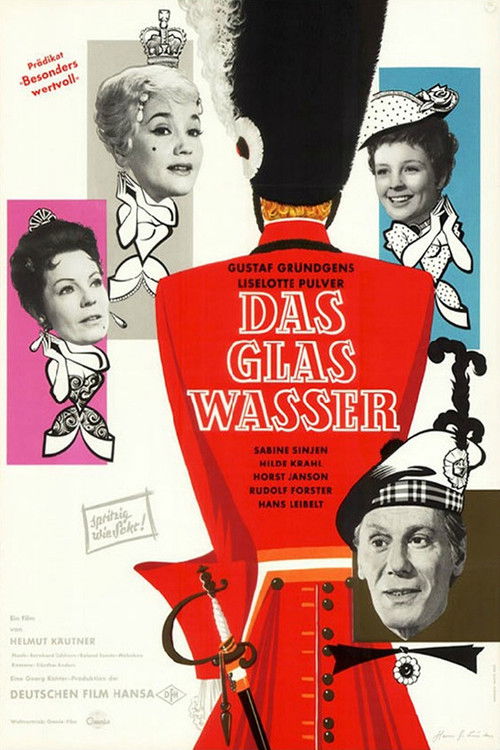
A Glass of Water 1960
A Glass of Water (1960) brings the witty political machinations of Eugène Scribe's play to life in this German musical comedy directed by Helmut Käutner.
Director: Helmut Käutner
Cast
Frequently Asked Questions
What is A Glass of Water (1960) about?
The film centers on the political maneuvering at Queen Anne's court, focusing on the rivalry between Lord Bolingbroke and Lady Churchill as they engage in clever schemes and power plays. Their intrigues blend historical setting with comedic elements.
Who directed A Glass of Water?
The film was directed by Helmut Käutner, a respected German filmmaker known for his sophisticated adaptations of theatrical works.
Who stars in A Glass of Water?
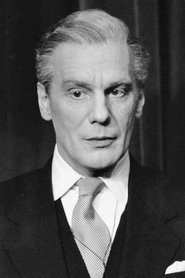
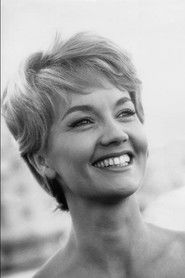
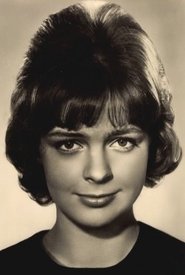
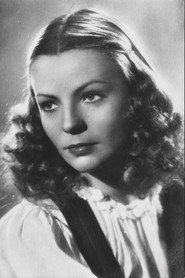
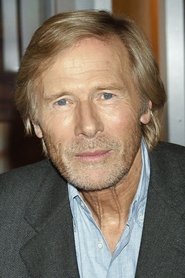
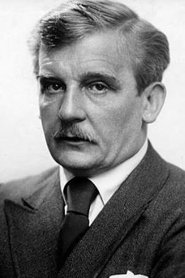
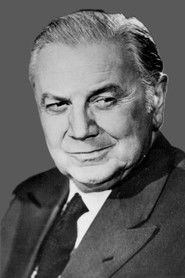
The cast features Gustaf Gründgens, Liselotte Pulver, Sabine Sinjen, Hilde Krahl, and Horst Janson in leading roles.
Is A Glass of Water (1960) worth watching?
With its blend of music and comedy within a historical court setting, this film offers engaging entertainment for fans of classic European cinema and theatrical adaptations. The ensemble cast delivers strong performances.
How long is A Glass of Water?
The runtime is 81 minutes.
🎥 Trailer
About A Glass of Water (1960) — German musical comedy of court intrigue
A Glass of Water (1960) brings the witty political machinations of Eugène Scribe's play to life in this German musical comedy directed by Helmut Käutner. Set against the backdrop of Queen Anne's court, the film follows the cunning rivalry between liberal Lord Bolingbroke and the influential Lady Churchill, Duchess of Marlborough, as they engage in elaborate schemes and court intrigues. The story unfolds with sharp dialogue and period charm, blending historical drama with lighthearted comedy.
Starring the distinguished Gustaf Gründgens alongside Liselotte Pulver, Sabine Sinjen, Hilde Krahl, Horst Janson, and Rudolf Forster, this 81-minute film captures the essence of 18th-century court life with theatrical flair. The music and comedic elements enhance the power struggles between nobles, creating an entertaining portrait of political ambition and romantic scheming that defined the era. Käutner's direction brings sophistication to this adaptation of Scribe's work, making it a unique entry in German cinema of the early 1960s.