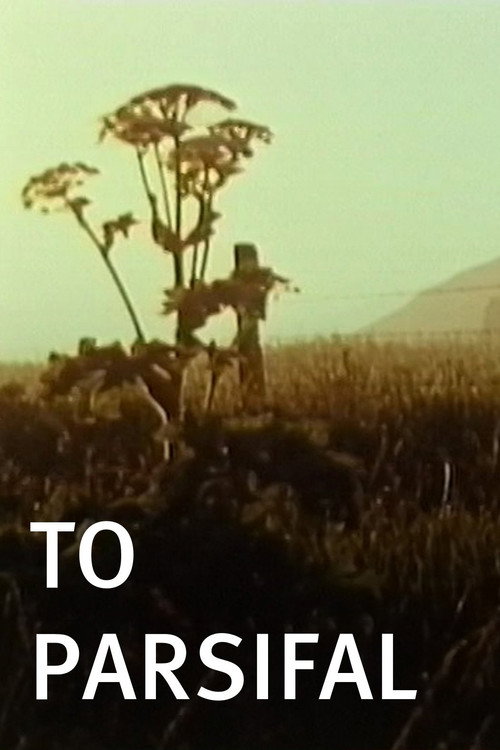
To Parsifal 1963
Bruce Baillie's *To Parsifal* (1963) is a poetic 16-minute short film split into two symmetrical halves by bold fades to black.
Director: Bruce Baillie
Frequently Asked Questions
What is To Parsifal (1963) about?
Bruce Baillie's experimental short traces a solitary boat's journey from shore to open water and back again, set against the backdrop of a sunrise and sunset. The film contrasts the raw act of fishing with the serene beauty of nature, all captured in a meditative, nearly wordless narrative.
Who directed To Parsifal?
Director information is not available.
Who stars in To Parsifal?
Cast details are not listed for this film.
Is To Parsifal (1963) worth watching?
While *To Parsifal* remains unrated on IMDb, Baillie's reputation as a pioneer of experimental cinema lends the film an intrinsic value for enthusiasts. Its poetic visuals and meditative pacing make it more of an artistic experience than a conventional narrative, appealing to those who appreciate avant-garde filmmaking.
How long is To Parsifal?
*To Parsifal* runs for 16 minutes, a concise yet immersive glimpse into Baillie's experimental style.
About To Parsifal (1963) — A poetic 16-minute film of sea, light, and timeless wonder
Bruce Baillie's *To Parsifal* (1963) is a poetic 16-minute short film split into two symmetrical halves by bold fades to black. The opening frames capture the quiet majesty of dawn breaking over the water, where a solitary journey unfolds—a boat gliding out to sea under the golden light. The second half mirrors this voyage in reverse, as the boat returns to shore, carrying the day's catch and the lingering impressions of a fleeting moment. Throughout, the film intertwines natural beauty with subtle rhythm, using gulls soaring above freshly cleaned fish and the rhythmic pulse of the waves to create a meditative experience. Baillie crafts a visual poem that feels both timeless and deeply rooted in the textures of the Pacific coastline.
Stripped of dialogue or conventional narrative, *To Parsifal* invites viewers to immerse themselves in the texture of light, the sound of wind, and the ebb and flow of the tides. It's a study in contrasts—land and sea, motion and stillness, the raw and the refined—woven into a hypnotic meditation on the cyclical nature of time and place.