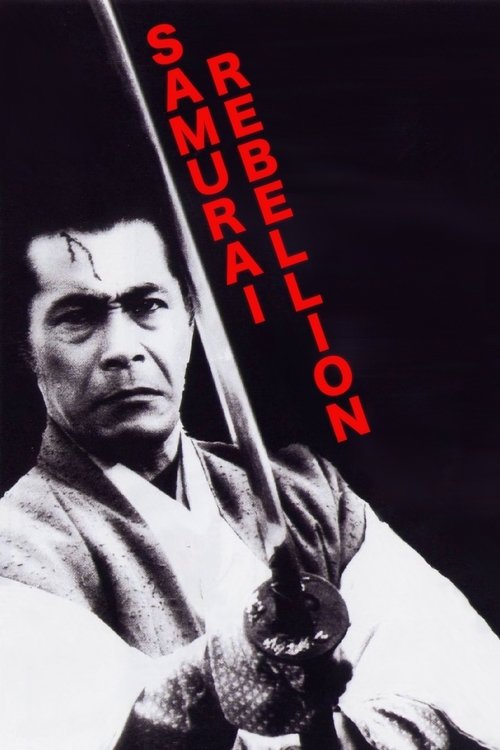
Samurai Rebellion 1967
"In the end, we had no choice but to have it this way. We just took a roundabout path."
Directed by the masterful Masaki Kobayashi, *Samurai Rebellion (1967)* is a gripping historical drama that explores the collision of duty and morality in feudal Japan.
Director: Masaki Kobayashi
Cast
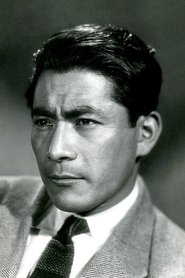
Toshirō Mifune
Isaburo Sasahara

Yōko Tsukasa
Ichi Sasahara
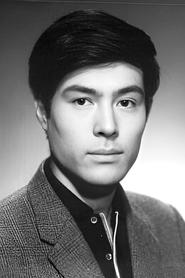
Gō Katō
Yogoro Sasahara
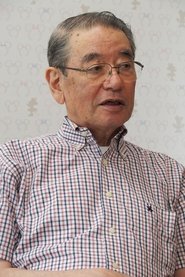
Tatsuyoshi Ehara
Bunzo Sasahara

Etsuko Ichihara
Kiku
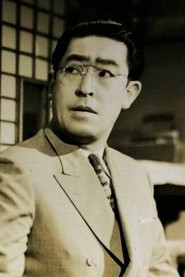
Isao Yamagata
Shobei Tsuchiya
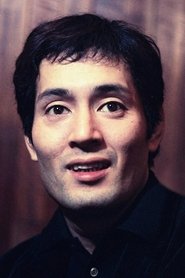
Tatsuya Nakadai
Tatewaki Asano
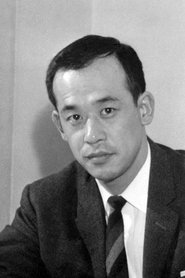
Shigeru Kōyama
Geki Takahashi

Michiko Otsuka
Suga Sasahara
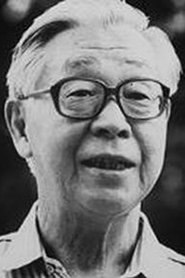
Tatsuo Matsumura
Lord Masakata Matsudaira
Frequently Asked Questions
What is Samurai Rebellion (1967) about?
The film centers on a samurai whose wife is taken by his lord to produce an heir. Trapped by loyalty and hierarchy, he must decide whether to endure the injustice or risk everything to reclaim his family and dignity.
Who directed Samurai Rebellion?
Masaki Kobayashi, known for his socially conscious and visually striking films like *Harakiri* and *Kwaidan*, directed *Samurai Rebellion*.
Who stars in Samurai Rebellion?
The film features legendary Toshirō Mifune as the tormented samurai, alongside Yōko Tsukasa, Gō Katō, and Etsuko Ichihara in key roles.
Is Samurai Rebellion (1967) worth watching?
Absolutely—this underrated gem blends historical depth with thrilling action and complex moral dilemmas. Its restrained yet powerful storytelling makes it a standout in the samurai genre, perfect for fans of thought-provoking cinema.
How long is Samurai Rebellion?
The film runs for 121 minutes.
🎥 Trailer
About Samurai Rebellion (1967) — When Honor Demands Defiance
Directed by the masterful Masaki Kobayashi, *Samurai Rebellion (1967)* is a gripping historical drama that explores the collision of duty and morality in feudal Japan. Set against the rigid hierarchy of the samurai class, the film follows a loyal retainer whose wife is seized by his corrupt lord to bear an heir. Forced into an impossible choice between blind obedience and defiance, the protagonist's quiet rebellion unfolds with devastating consequences. With Toshirō Mifune delivering a powerhouse performance, the movie blends intense action with deep philosophical questions about honor and justice.
Atmospherically rich and narratively taut, *Samurai Rebellion* (1967) examines the suffocating constraints of a society where personal will is crushed under tradition. Kobayashi's direction infuses each frame with tension, from the stifling corridors of power to the raw, emotional climax. Fans of historical epics and character-driven drama will find a hauntingly resonant story here, where even the smallest act of resistance becomes a radical act of defiance.