Pôr do Sol no Areeiro 1983
Pôr do Sol no Areeiro (1983), directed by Eduardo Geada, paints a vivid portrait of Lisbon's 1970s bourgeoisie, where social climbing, emotional detachment, and transactional relationships defined daily life in the Avenidas Novas district.
Director: Eduardo Geada
Cast


Frequently Asked Questions
What is Pôr do Sol no Areeiro (1983) about?
Pôr do Sol no Areeiro (1983) dives into the lives of Lisbon's elite in the early 1970s, where romantic entanglements and social maneuvers blur the line between affection and opportunism. The film follows characters navigating a world where sentiment is often secondary to status, set against the backdrop of a city on the cusp of political change.
Who directed Pôr do Sol no Areeiro?
Pôr do Sol no Areeiro was directed by Eduardo Geada, a filmmaker known for his incisive portrayals of Portuguese society during pivotal historical moments.
Who stars in Pôr do Sol no Areeiro?
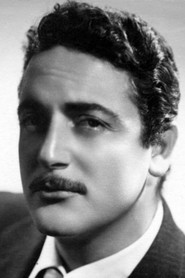
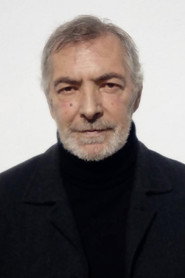
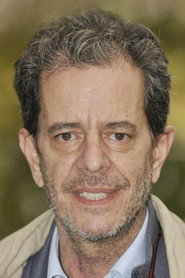
The film features a talented cast including Mariana Villar, Artur Semedo, Antonino Solmer, Maria Vieira, and Carlota Calazans, each bringing depth to their roles in this complex drama.
Is Pôr do Sol no Areeiro (1983) worth watching?
While Pôr do Sol no Areeiro (1983) isn't widely rated on IMDb, its sharp social commentary and atmospheric storytelling make it a compelling watch for fans of period dramas and character-driven narratives. The film's exploration of morality and ambition offers a rich viewing experience for those interested in Portuguese cinema.
How long is Pôr do Sol no Areeiro?
Runtime details for Pôr do Sol no Areeiro are not listed.
About Pôr do Sol no Areeiro (1983) — A Lisbon love story tangled in old-world ambition
Pôr do Sol no Areeiro (1983), directed by Eduardo Geada, paints a vivid portrait of Lisbon's 1970s bourgeoisie, where social climbing, emotional detachment, and transactional relationships defined daily life in the Avenidas Novas district. The film immerses viewers in a world of polished facades and hidden amorality, where affections and loyalties were as easily traded as luxury cars. Geada's sharp lens captures the era's cultural disconnect, blending romance with a biting critique of societal norms that thrived on superficiality and self-interest.
Starring Mariana Villar, Artur Semedo, and Antonino Solmer, the movie unfolds with a blend of nostalgic charm and subtle tension, reflecting the era's societal shifts just before the Carnation Revolution reshaped Portugal. The romance genre here transcends conventional love stories, instead serving as a lens to explore power dynamics, moral ambiguity, and the price of ambition in a city where status often outweighed sentiment.