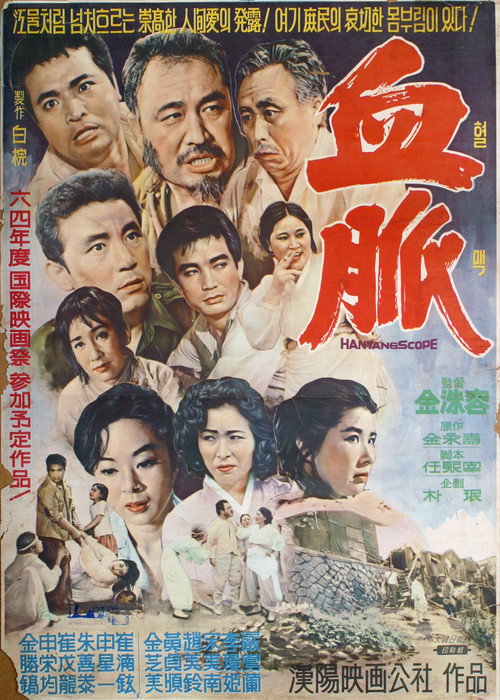
Kinship 1963
Kinship (1963), directed by Kim Soo-yong, immerses viewers in the harsh realities of post-war South Korea through the lens of a mountain community still grappling with division.
Director: Kim Soo-yong
Cast







Frequently Asked Questions
What is Kinship (1963) about?
Kinship follows two families surviving as North Korean defectors in post-war South Korea, where poverty and tradition collide. A widower pressures his son to join the American military, while a neighbor forces her daughter into a life as a gisaeng. Their struggles reflect the broader tensions of a divided nation and fractured families.
Who directed Kinship?
Kinship was directed by Kim Soo-yong, a South Korean filmmaker known for his socially conscious dramas that delve into post-war struggles and human resilience.
Who stars in Kinship?
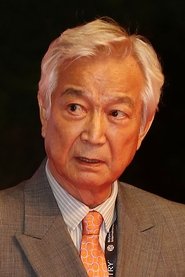
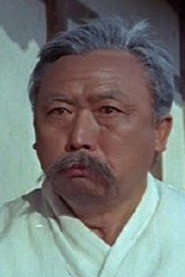
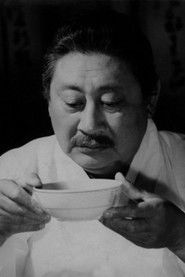
The film features Kim Seung-ho, Hwang Jeong-sun, Shin Seong-il, Um Aing-ran, and Kim Ji-mi in lead roles, each bringing depth to their characters' emotional and societal conflicts.
Is Kinship (1963) worth watching?
While Kinship lacks an IMDb rating, its stark portrayal of post-war hardship and family drama offers a compelling glimpse into 1960s South Korean life. Fans of historical dramas and character-driven narratives will appreciate its emotional weight and Kim Soo-yong's direction.
How long is Kinship?
Kinship runs for 94 minutes, offering a tight, impactful story that fits within a standard feature-length runtime.
About Kinship (1963) — A raw 1960s drama of survival and generational conflict
Kinship (1963), directed by Kim Soo-yong, immerses viewers in the harsh realities of post-war South Korea through the lens of a mountain community still grappling with division. The film follows two families in a makeshift village of North Korean defectors, where survival hinges on peddling small goods like socks and pens to passing travelers. Beneath the veneer of resilience, tensions simmer—parents cling to tradition while their children chafe under outdated expectations, creating a generational rift that mirrors the fractures of a nation. Ok-Mae's insistence that her daughter Bok-soon embrace a life as a gisaeng contrasts sharply with widower Kim Deok-sam's desperate push for his son Geo-buk to enlist in the American military, highlighting the desperate choices people make to escape poverty. With its stark black-and-white visuals and raw emotional depth, Kinship captures the duality of hope and despair in a world still healing from conflict.
A poignant exploration of family, identity, and the weight of heritage, Kinship weaves a narrative that feels both timeless and urgent. The film's dialogue-driven scenes crackle with unspoken tension, from Geo-buk's rebellion to Bok-soon's quiet defiance, while the mountain's rugged backdrop serves as a silent witness to their struggles. Kim Soo-yong crafts a story that lingers, blending social commentary with personal drama to paint a portrait of resilience and heartache in the face of impossible odds.