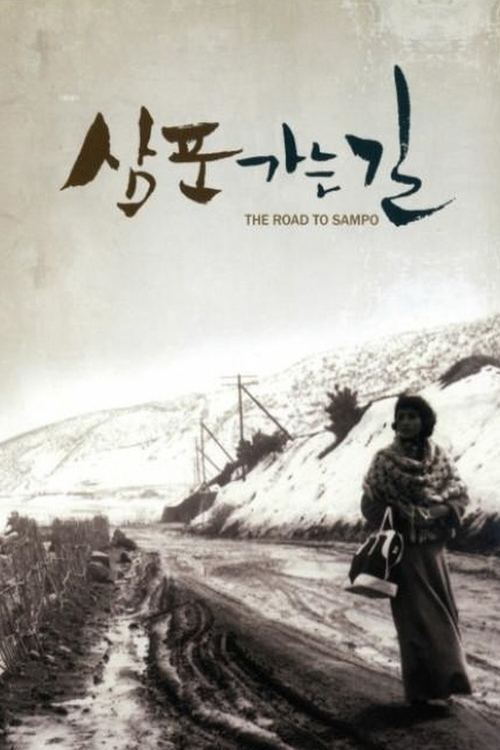
The Road to Sampo 1975
Directed by the visionary Lee Man-hee, *The Road to Sampo (1975)* follows a chance encounter between a young laborer and a man returning home after a decade away.
Director: Lee Man-hee
Cast




Frequently Asked Questions
What is *The Road to Sampo (1975)* about?
This Korean drama follows three strangers—a laborer, a returning exile, and a runaway waitress—whose lives unexpectedly intertwine. What begins as a simple quest to locate the young woman evolves into an unplanned adventure, revealing deeper truths about connection and shared purpose.
Who directed *The Road to Sampo*?
The film was directed by Lee Man-hee, a prominent figure in 1970s Korean cinema known for his emotionally resonant storytelling.
Who stars in *The Road to Sampo*?
The film stars Baek Il-seob, Kim Jin-kyu, Moon Sook, Kim Yong-hak, and Kim Ki-beom in key roles.
Is *The Road to Sampo (1975)* worth watching?
As a mid-70s Korean drama, it offers a reflective look at human relationships and serendipity. While not widely rated on IMDb, its atmospheric depth and thematic richness make it a rewarding watch for fans of vintage cinema and character-driven narratives.
How long is *The Road to Sampo*?
The film runs for 101 minutes.
About The Road to Sampo (1975) — A 1970s Korean Drama of Chance, Redemption, and Detours
Directed by the visionary Lee Man-hee, *The Road to Sampo (1975)* follows a chance encounter between a young laborer and a man returning home after a decade away. Their paths converge in a gritty 1970s Korean landscape marked by construction sites and forgotten alleys, where they cross paths with a runaway woman from a modest restaurant. Instead of claiming a reward, the trio embarks on an impromptu journey that blends adventure with quiet introspection—exploring themes of redemption, second chances, and the unpredictable bonds formed in transit.
This drama unfolds with a naturalistic rhythm, capturing the raw textures of everyday life while weaving a story that's both personal and timeless. The film's subdued yet evocative tone invites viewers into a world where destinations matter less than the unexpected connections made along the way, making *The Road to Sampo* a standout in 1970s Korean cinema.