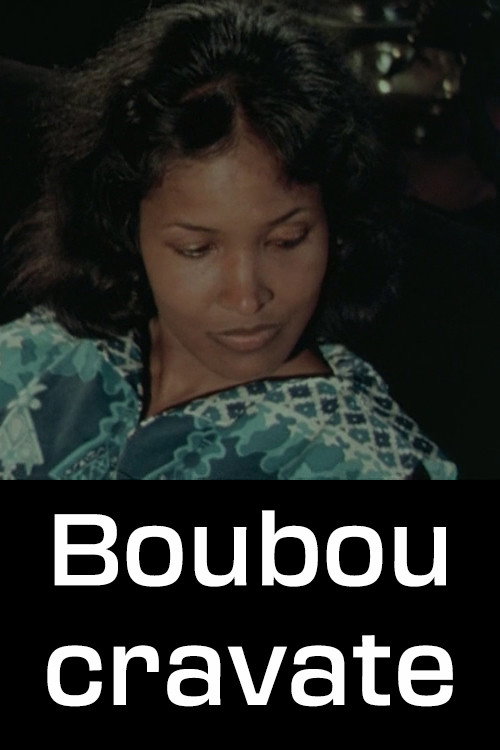
Boubou cravate 1972
'Boubou cravate (1972)' follows an African diplomat who comes home after years abroad only to face an unsettling truth: his European lifestyle may have stripped away the essence of who he really is.
Director: Daniel Kamwa
Cast



Frequently Asked Questions
What is Boubou cravate (1972) about?
The film centers on an African diplomat who returns from Europe to find his roots slipping away. His elegant cravat becomes a visible sign of his cultural drift, sparking a quiet crisis of belonging. A sharp, witty tale of displacement told in under 30 minutes.
Who directed Boubou cravate?
Daniel Kamwa directed this 1972 short film, blending drama and comedy in his cinematic debut.
Who stars in Boubou cravate?
The cast includes Marpessa Dawn, Françoise Petit, James Campbell, Max Amyl, and Daniel Kamwa himself.
Is Boubou cravate (1972) worth watching?
With its sharp themes and compact runtime, 'Boubou cravate' is a hidden gem for fans of early African cinema. It may not have widespread fame, but its exploration of identity resonates. Ideal for those who appreciate concise, layered storytelling.
How long is Boubou cravate?
The film runs for 29 minutes.
About Boubou cravate (1972) — A diplomat's struggle with identity in a short African classic
'Boubou cravate (1972)' follows an African diplomat who comes home after years abroad only to face an unsettling truth: his European lifestyle may have stripped away the essence of who he really is. Directed by Daniel Kamwa, this 29-minute gem blends drama and sharp comedy to explore identity, belonging, and the quiet clash of cultures. With a deceptively simple premise, the film turns a single cravat into a symbol of cultural tension, weaving a story that feels both intimate and universal. Marpessa Dawn and Françoise Petit anchor the film with performances that balance wit and weight, while Kamwa's direction keeps the tone poised between satire and sincerity.
Set in a world where tradition and modernity collide, 'Boubou cravate' captures the awkward dance of returning home changed. The short runtime belies its rich thematic depth, making it a compelling watch for fans of character-driven cinema. As the protagonist navigates the expectations of his homeland, the film gently asks whether assimilation is a form of liberation or loss. A little-known treasure of early African cinema, it's a snapshot of history and humanity rolled into one stylish, thought-provoking package.