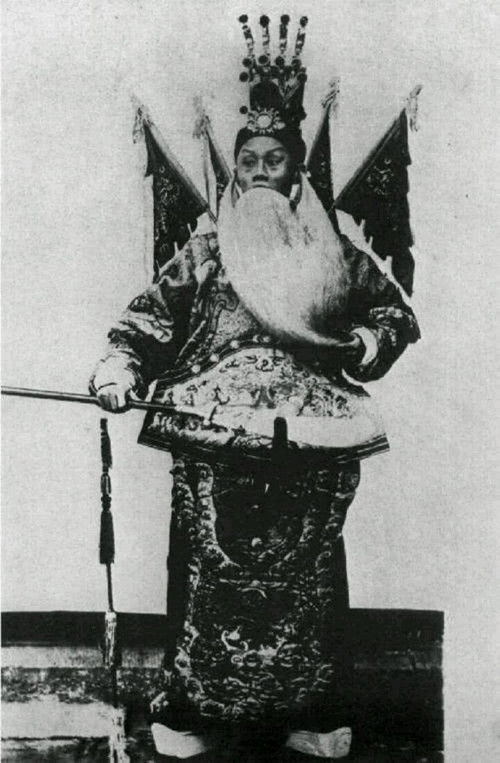
Dingjun Mountain 1905
Stepping back to 1905, *Dingjun Mountain* quietly blazes a trail as the very first feature ever produced in China, turning a legendary battlefield clash into an unforgettable sung-drama experience.
Director: Ren Jingfeng
Cast
Frequently Asked Questions
What is Dingjun Mountain (1905) about?
This groundbreaking short film stages the pivotal Battle of Mount Dingjun, a pivotal clash from China's Three Kingdoms era, through the expressive lens of Peking opera. Audiences are transported to the front lines, where strategy and drama unfold in a single, gripping performance.
Who directed Dingjun Mountain?
The film was directed by Ren Jingfeng, a pioneering figure in early Chinese cinema whose vision helped shape the medium's first steps on the mainland.
Who stars in Dingjun Mountain?
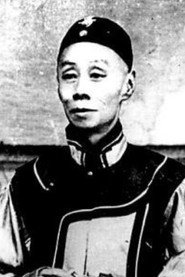
The cast is anchored by the celebrated Tan Xinpei, a titan of Peking opera whose electrifying presence defines this historic production.
Is Dingjun Mountain (1905) worth watching?
While it's a silent 1905 film with no IMDb rating, its cultural significance alone makes it fascinating for historians and opera lovers. The fusion of war spectacle and theatrical tradition offers a unique, atmospheric experience that resonates across time.
How long is Dingjun Mountain?
Dingjun Mountain runs for 42 minutes—just over half an hour of early cinematic artistry.
About Dingjun Mountain (1905) — Peking Opera War Epic That Launched Chinese Cinema
Stepping back to 1905, *Dingjun Mountain* quietly blazes a trail as the very first feature ever produced in China, turning a legendary battlefield clash into an unforgettable sung-drama experience. Directed by Ren Jingfeng and headlined by the legendary Tan Xinpei, this 42-minute silent epic immerses viewers in the heat of the Battle of Mount Dingjun through stylized Peking-opera performances. The film's historical backdrop crackles with martial energy, blending war strategy and inherited tradition into a single mesmerizing reenactment.
Wrapped in amber-toned celluloid, *Dingjun Mountain* captures both the spectacle of ancient combat and the fragile birth of cinema itself. Here, every sword stroke and vocal crescendo feels like a bridge between centuries, offering modern audiences a rare glimpse into early storytelling craft. Whether you're a history buff, opera aficionado, or vintage film explorer, this 1905 milestone delivers a singular, atmospheric journey worth experiencing on its own terms.