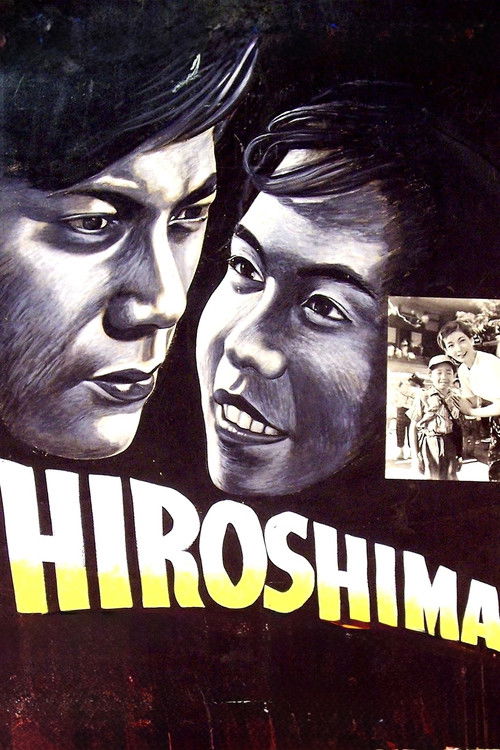
Hiroshima 1953
Hideo Sekigawa's Hiroshima (1953) is a powerful historical drama that plunges viewers into the harrowing aftermath of the atomic bombing that devastated Hiroshima on August 6, 1945.
Director: Hideo Sekigawa
Cast

Isuzu Yamada
Mineh Obah
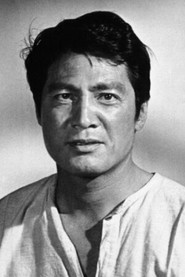
Eiji Okada
Kitagawa
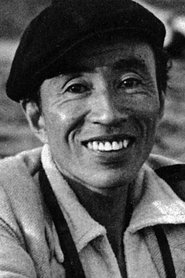
Yoshi Katō
Hideo Endo
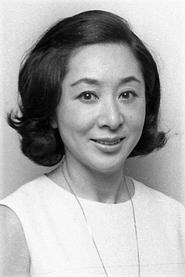
Yumeji Tsukioka
Miss Yonehara
Masaya Tsukida
Yukio Endo as a teen
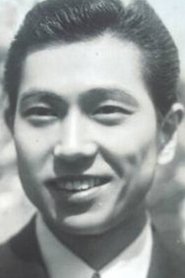
Yasumi Hara

Shizue Kawarazaki

Hatae Kishi

Harue Tone
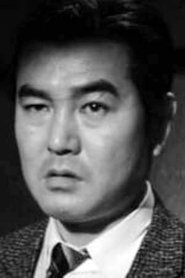
Takashi Kanda
Senda
Frequently Asked Questions
What is Hiroshima (1953) about?
Hiroshima (1953) is a historical drama that explores the devastating aftermath of the 1945 atomic bombing of Hiroshima, focusing on the lives of civilians—particularly children—as they confront injury, grief, and the challenge of rebuilding amidst ruins. The film blends personal stories with broader societal themes, painting a vivid portrait of resilience in the face of unimaginable destruction.
Who directed Hiroshima?
Hiroshima was directed by Hideo Sekigawa, a filmmaker known for his socially conscious and emotionally resonant storytelling.
Who stars in Hiroshima?
The film features standout performances by Isuzu Yamada, Eiji Okada, Yumeji Tsukioka, Yoshi Katō, and Masaya Tsukida.
Is Hiroshima (1953) worth watching?
Hiroshima (1953) is a must-watch for fans of historical dramas and thought-provoking cinema. Though unrated on IMDb, its emotional depth and historical significance make it a compelling choice for viewers interested in stories of survival and remembrance.
How long is Hiroshima?
Hiroshima runs for 105 minutes.
About Hiroshima (1953) — A Devastating Historical Drama About Survival and Legacy
Hideo Sekigawa's Hiroshima (1953) is a powerful historical drama that plunges viewers into the harrowing aftermath of the atomic bombing that devastated Hiroshima on August 6, 1945. Through a series of deeply moving vignettes, the film follows the lives of ordinary civilians—especially children—as they grapple with the physical, emotional, and moral scars left behind by the catastrophe. Sekigawa blends raw historical gravity with intimate storytelling, weaving together the struggles of survivors against a backdrop of resilience and collective trauma. The film's stark black-and-white cinematography heightens the sense of desolation and renewal, capturing both the devastation and the quiet hope that emerges in its wake.
Isuzu Yamada, Eiji Okada, and Yumeji Tsukioka deliver unforgettable performances, embodying the diverse perspectives of those who endured the unimaginable. As a historical drama, Hiroshima transcends its genre to become a poignant meditation on peace, loss, and humanity's capacity to rebuild. The movie doesn't just recount history—it invites reflection on the enduring consequences of war and the enduring spirit of those who survive it.