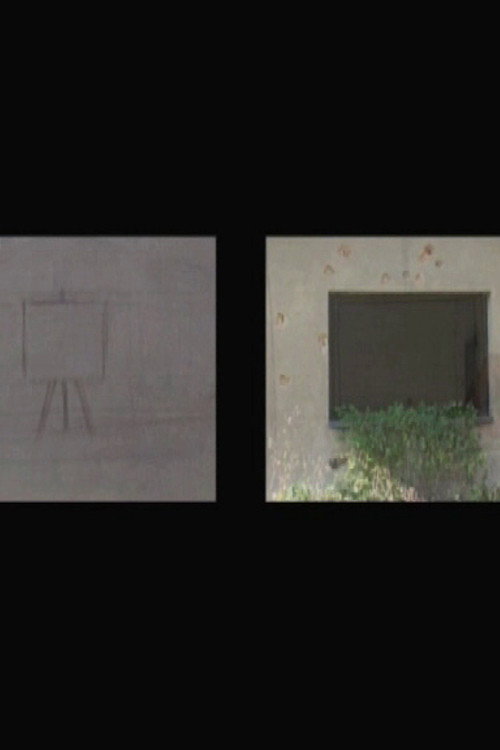
Journal No. 1 - An Artist's Impression 2007
Journal No. 1 - An Artist's Impression (2007) is an evocative documentary by acclaimed director Hito Steyerl, weaving together lost history and cinematic mystery. In 1947, a rare newsreel—Film Journal No.
Director: Hito Steyerl
Frequently Asked Questions
What is Journal No. 1 - An Artist's Impression (2007) about?
This documentary follows director Hito Steyerl as she investigates the mysterious disappearance of a 1947 newsreel from Sarajevo's Sutjeska studio, exploring how political upheaval erased a crucial piece of 20th-century history. The film blends archival research with personal reflection, uncovering the fragility of historical narratives during Yugoslavia's turbulent collapse.
Who directed Journal No. 1 - An Artist's Impression?
Hito Steyerl is the director behind Journal No. 1 - An Artist's Impression, known for her experimental documentaries that interrogate media, power, and memory.
Who stars in Journal No. 1 - An Artist's Impression?
Director Hito Steyerl is the central figure in this documentary, navigating archives and interviews to piece together the lost footage.
Is Journal No. 1 - An Artist's Impression (2007) worth watching?
The film's investigative approach and haunting visuals make it an engaging choice for viewers interested in post-war narratives and the ethics of representation. While short, its impact lingers long after the credits roll.
How long is Journal No. 1 - An Artist's Impression?
Journal No. 1 - An Artist's Impression has a runtime of 22 minutes.
About Journal No. 1 - An Artist's Impression (2007) — The Search for a Forgotten Film Footage
Journal No. 1 - An Artist's Impression (2007) is an evocative documentary by acclaimed director Hito Steyerl, weaving together lost history and cinematic mystery. In 1947, a rare newsreel—Film Journal No. 1—emerged from Sarajevo's Sutjeska studio, chronicling a fragile moment of post-war reconstruction in Yugoslavia. Fifty years later, as the country descended into conflict, this pivotal footage vanished without trace. Steyerl's investigative film follows a trail of archives, memories, and political detours, revealing how historical truths can slip through the cracks of war and ideological collapse. The atmosphere is haunting yet inquisitive, blending archival fragments with contemporary reflection.
At its heart, this is a meditation on memory, identity, and the elusive promise of a 'zero hour'—a moment of rebirth that never fully arrives. By juxtaposing the original 1947 newsreel with Steyerl's 2007 reconstruction, the film asks what gets preserved when nations fracture, and who controls the narrative of the past. Tense, poetic, and intellectually charged, Journal No. 1 bridges Cold War history and post-Yugoslavia disillusionment, making it essential viewing for fans of essayistic cinema.