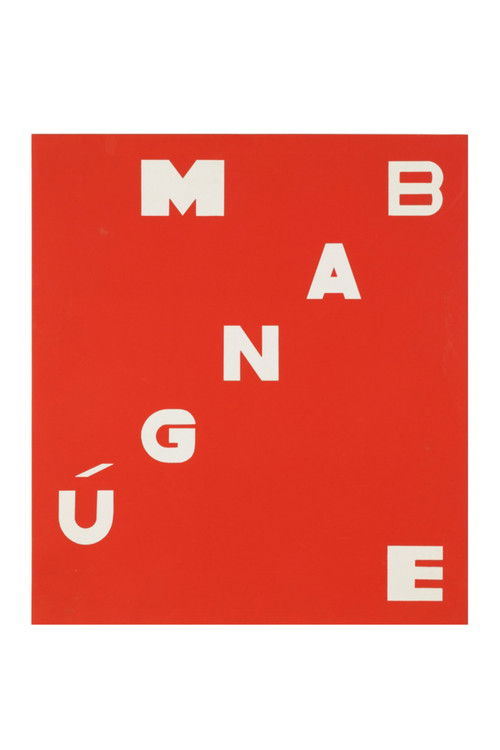
Mangúe-Bangúe 1971
In the vibrant, yet seedy, red light district of Rio de Janeiro, a group of transgender sex workers live in the shadows. When they're joined by a group of free-spirited hippies and a disillusioned stockbroker, the boundaries between worlds start to blur.
Director: Neville D'Almeida
Cast

Frequently Asked Questions
What is Mangúe-Bangúe (1971) about?
The film follows a group of transgender sex workers living in Rio de Janeiro's red light district, who are joined by a group of hippies and a runaway stockbroker, leading to a blurring of boundaries between worlds.
Who directed Mangúe-Bangúe?
Mangúe-Bangúe was directed by Neville D'Almeida, a visionary filmmaker of the era.
Who stars in Mangúe-Bangúe?
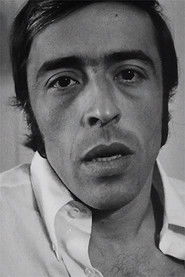
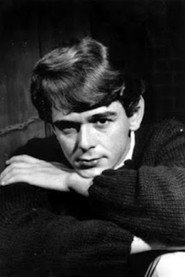
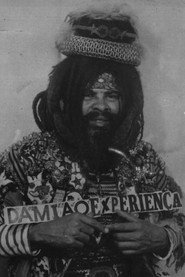
The film features a talented cast, including Maria Gladys, Paulo Villaça, and Maria Regina, among others.
Is Mangúe-Bangúe (1971) worth watching?
While not an easy watch, 'Mangúe-Bangúe (1971)' is a fascinating, if not always palatable, exploration of the 'sex, drugs, and rock 'n' roll' spirit of the 1970s, making it a must-see for fans of 1970s cinema and the counterculture movement.
How long is Mangúe-Bangúe?
The film has a runtime of 62 minutes.
About Mangúe-Bangúe (1971) — A Raw, Unapologetic Exploration of 1970s Counterculture
In the vibrant, yet seedy, red light district of Rio de Janeiro, a group of transgender sex workers live in the shadows. When they're joined by a group of free-spirited hippies and a disillusioned stockbroker, the boundaries between worlds start to blur. Directed by Neville D'Almeida, 'Mangúe-Bangúe' is a raw, unapologetic exploration of the 'sex, drugs, and rock 'n' roll' spirit of the 1970s. This Brazilian comedy, shot in the midst of the post-1968 counterculture, delves into themes of identity, community, and rebellion. With its unique blend of humor, pathos, and social commentary, 'Mangúe-Bangúe (1971)' is a fascinating, if not always easy, watch. The film's unflinching portrayal of its characters' lives, set against the backdrop of Rio's swampy streets, is both a product of its time and a time capsule of a bygone era.
As a paradigmatic expression of the 'desbunde' movement, 'Mangúe-Bangúe' is a must-see for fans of 1970s cinema, Brazilian culture, and the counterculture movement. With its talented cast, including Maria Gladys, Paulo Villaça, and Maria Regina, this film is a true gem of the era, waiting to be rediscovered and appreciated by new audiences.
So, if you're ready to immerse yourself in a world of vibrant colors, raw emotions, and unapologetic humor, then 'Mangúe-Bangúe (1971)' is the film for you.