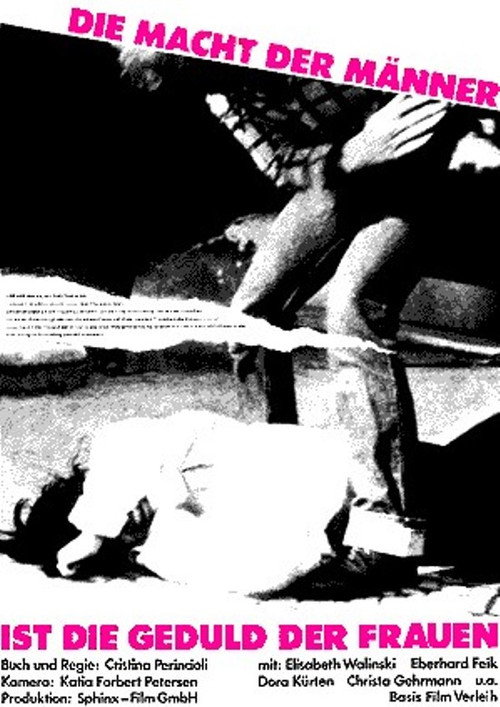
Die Macht der Männer ist die Geduld der Frauen 1978
Cristina Perincioli's raw 1978 drama *Die Macht der Männer ist die Geduld der Frauen* plunges viewers into the suffocating cycle of domestic violence endured by Addi, a resilient market vendor trapped in a marriage with Max's escalating cruelty.
Director: Cristina Perincioli
Cast

Frequently Asked Questions
What is Die Macht der Männer ist die Geduld der Frauen (1978) about?
The film follows Addi, a market vendor trapped in a marriage marked by Max's escalating abuse. Despite her growing desperation, Addi's only shot at freedom comes when she discovers a women's shelter—an unlikely escape from the cycle of violence and isolation.
Who directed Die Macht der Männer ist die Geduld der Frauen?
The film was directed by Cristina Perincioli, a filmmaker known for her socially conscious storytelling and dedication to exposing systemic injustices through intimate character studies.
Who stars in Die Macht der Männer ist die Geduld der Frauen?
The cast features Elisabeth Walinski as Addi, Eberhard Feik as Max, and Dora Kürten in a supporting role.
Is Die Macht der Männer ist die Geduld der Frauen (1978) worth watching?
While the film lacks an IMDb rating, its stark realism and socially relevant themes make it a compelling watch for fans of 1970s German drama and stories about resilience. It's less about spectacle and more about the quiet, painful fight for dignity.
How long is Die Macht der Männer ist die Geduld der Frauen?
The runtime is 80 minutes.
About Die Macht der Männer ist die Geduld der Frauen (1978) — A 1970s drama exposing domestic violence and quiet rebellion
Cristina Perincioli's raw 1978 drama *Die Macht der Männer ist die Geduld der Frauen* plunges viewers into the suffocating cycle of domestic violence endured by Addi, a resilient market vendor trapped in a marriage with Max's escalating cruelty. Shot through with quiet tension, the film reveals how economic dependency and societal indifference keep victims ensnared—until Addi stumbles upon a lifeline in the form of a pioneering women's shelter. Meticulously directed and anchored by powerful performances, the movie transforms a deeply personal struggle into a searing critique of systemic passivity, capturing the fragile moment when survival collides with hope.
A portrait of endurance in the face of oppression, *Die Macht der Männer ist die Geduld der Frauen* blends stark realism with quiet urgency, emphasizing the arduous journey toward autonomy. Perincioli crafts an atmosphere of claustrophobic dread, yet the film's strength lies in its unflinching gaze at resilience, offering no easy answers, only the promise of a fragile new beginning.