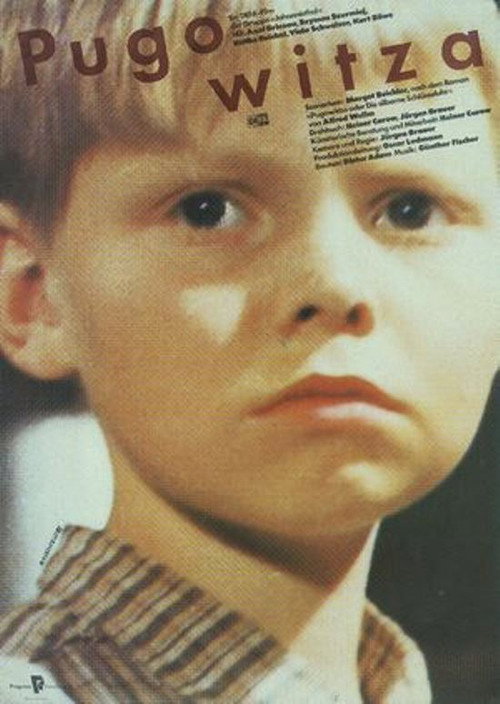
Pugowitza 1981
Set in the quiet aftermath of World War II, *Pugowitza (1981)* follows Heinrich, a young German boy whose worldview is transformed by the lingering influence of occupying Soviet forces in his small village.
Director: Jürgen Brauer
Cast





Frequently Asked Questions
What is Pugowitza (1981) about?
The film explores the journey of Heinrich, a young German boy in a small village, whose life takes an unexpected turn after World War II when he begins to embrace communist principles under the influence of Soviet occupiers. It's a story of ideological transformation and the moral dilemmas faced by those rebuilding in chaos.
Who directed Pugowitza?
Jürgen Brauer directed *Pugowitza*, bringing a nuanced perspective to its post-war themes and character-driven narrative.
Who stars in Pugowitza?
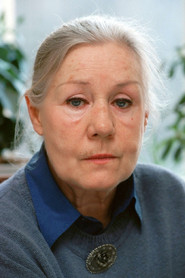
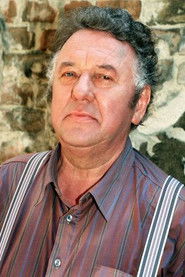
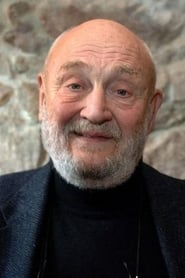
The film features Axel Griesau in the lead role, alongside Szymon Szurmiej, Käthe Reichel, Karla Runkehl, and Ursula Staack.
Is Pugowitza (1981) worth watching?
While *Pugowitza* isn't widely rated on IMDb, its thoughtful portrayal of post-war ideological shifts in East Germany makes it a compelling watch for fans of historical dramas. The film's themes of identity and allegiance resonate powerfully, even decades later.
How long is Pugowitza?
*Pugowitza* has a runtime of 101 minutes.
About Pugowitza (1981) — Post-War Drama of Ideals and Identity in East Germany
Set in the quiet aftermath of World War II, *Pugowitza (1981)* follows Heinrich, a young German boy whose worldview is transformed by the lingering influence of occupying Soviet forces in his small village. Directed by Jürgen Brauer, this East German drama weaves themes of ideological awakening and post-war disillusionment into a poignant character study. The film immerses viewers in the tense atmosphere of a divided Germany, where loyalty and survival collide as Heinrich adopts communist ideals under Russian guidance.
With a runtime of 101 minutes, *Pugowitza* blends historical weight with intimate storytelling, anchored by a cast that includes Axel Griesau as the impressionable Heinrich and Szymon Szurmiej as a key Soviet mentor. Brauer's direction captures the stark contrasts of the era, from the quiet desperation of villagers to the ideological fervor shaping a generation. It's a film that lingers, offering a window into the complexities of identity and affiliation in a fractured society.