
Ustaad 1999
"Yes, he is the lord of lords!!"
In Sibi Malayil's gripping Malayalam drama *Ustaad (1999)*, Mohanlal stars as Parmeshwaran, a man who trades his life of crime for a fresh start in his hometown.
Director: Sibi Malayil
Cast
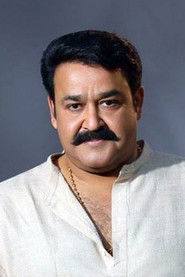
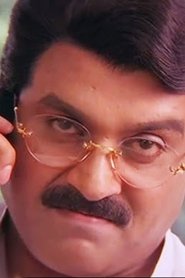



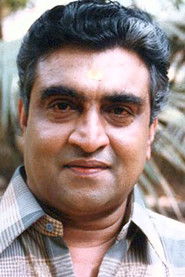


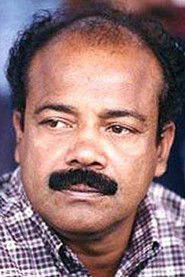

Frequently Asked Questions
What is Ustaad (1999) about?
*Ustaad* follows Parmeshwaran, a former criminal who tries to build a peaceful life in his hometown, only to face his dark past when his sister falls in love. The film delves into themes of redemption, family loyalty, and the struggles of breaking free from one's past.
Who directed Ustaad?
Ustaad was directed by Sibi Malayil, a filmmaker known for his impactful storytelling in Malayalam cinema.
Who stars in Ustaad?
The film stars Mohanlal in the lead role, alongside Rajeev, Divyaa Unni, Indraja, and Vineeth Radhakrishnan in pivotal roles.
Is Ustaad (1999) worth watching?
With its emotional depth and strong performances, especially by Mohanlal, *Ustaad* is a solid choice for fans of Malayalam dramas. The blend of crime, family drama, and moral dilemmas makes it a memorable watch.
How long is Ustaad?
Ustaad has a runtime of 165 minutes.
About Ustaad (1999) — Mohanlal's gripping Malayalam drama of redemption and regret
In Sibi Malayil's gripping Malayalam drama *Ustaad (1999)*, Mohanlal stars as Parmeshwaran, a man who trades his life of crime for a fresh start in his hometown. Haunted by his past, he hopes to leave behind old demons—until his sister Padmaja falls for a young man, dragging him back into a world he fought so hard to escape. The film weaves a tense, emotional narrative around redemption, family bonds, and the inescapable weight of one's past actions, all set against the backdrop of a small town.
With its intense atmosphere and layered storytelling, *Ustaad* explores themes of regret and second chances, anchored by Mohanlal's powerhouse performance. The chemistry between the cast, including Rajeev and Divyaa Unni, elevates the drama, making it a compelling watch for fans of classic Malayalam cinema. The film's exploration of moral dilemmas and human frailty lingers long after the credits roll.