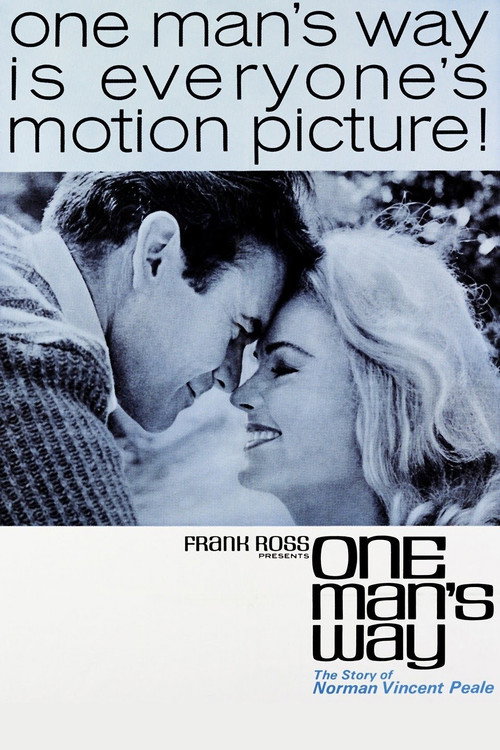
One Man's Way 1964
"In praise of joy and love and faith, this man and this motion picture are dedicated!"
Step into the uplifting world of *One Man's Way (1964)*, a 1960s drama directed by Denis Sanders that follows Reverend Norman Vincent Peale as he champions a message of hope, resilience, and spiritual renewal across America.
Director: Denis Sanders
Cast
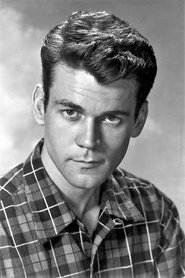
Don Murray
Norman Vincent Peale
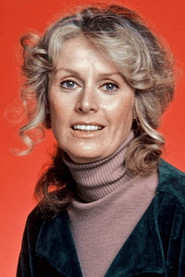
Diana Hyland
Ruth Stafford Peale
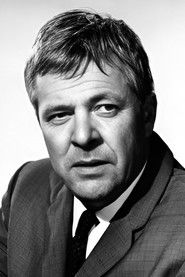
William Windom
Rev. Clifford Peale
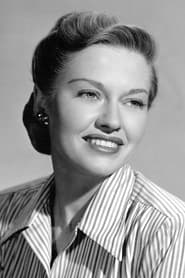
Virginia Christine
Anna Peale
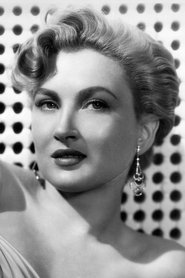
Carol Ohmart
Evelyn Grace
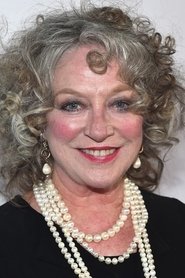
Veronica Cartwright
Mary
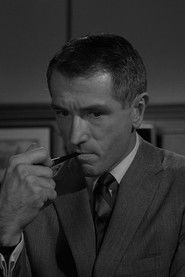
Liam Sullivan
Dr. Arthur Gordon
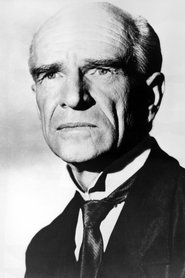
Ian Wolfe
Bishop Hardwick
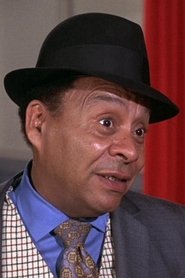
Charles Lampkin
Lafe
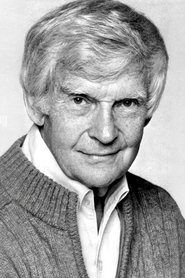
Arthur Peterson
Instructor
Frequently Asked Questions
What is One Man's Way (1964) about?
The film follows Reverend Norman Vincent Peale as he works tirelessly to spread his message of positivity and spiritual strength across the United States. It's a story of conviction, perseverance, and the power of belief in challenging times.
Who directed One Man's Way?
Denis Sanders directed *One Man's Way*, bringing a thoughtful and earnest approach to this inspirational drama.
Who stars in One Man's Way?
The film features Don Murray in the lead role, alongside Diana Hyland, William Windom, and Virginia Christine in key supporting parts.
Is One Man's Way (1964) worth watching?
As a classic 1960s drama with strong themes of faith and inspiration, *One Man's Way* offers a sincere and engaging viewing experience. While not widely rated today, its historical and thematic relevance may appeal to fans of inspirational cinema.
How long is One Man's Way?
The runtime of *One Man's Way* is 105 minutes.
About One Man's Way (1964) — A 1960s Drama on Faith and Inspiration
Step into the uplifting world of *One Man's Way (1964)*, a 1960s drama directed by Denis Sanders that follows Reverend Norman Vincent Peale as he champions a message of hope, resilience, and spiritual renewal across America. This thought-provoking film captures the struggle between doubt and faith, set against a backdrop of post-war optimism and personal conviction. With a runtime of 105 minutes, *One Man's Way* blends earnest drama with a compelling exploration of how one individual's vision can inspire a nation.
Don Murray stars as the persevering Reverend Peale, supported by a talented cast including Diana Hyland, William Windom, and Virginia Christine. The film's tone strikes a balance between sincerity and earnestness, emphasizing themes of courage, spirituality, and the power of positive thinking. Sandwiched between the cultural shifts of the 1960s, this cinematic tribute to joy and love offers a reflective look at faith in action.