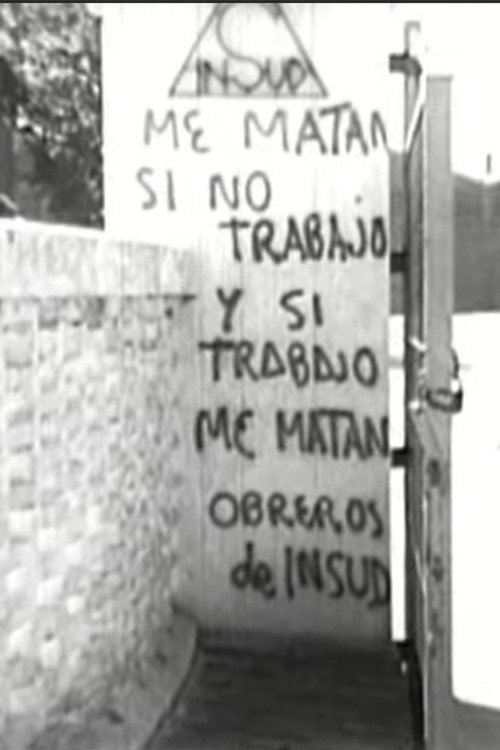
They Kill Me If I Don't Work and If I Work They Kill Me 1974
Dive into Raymundo Gleyzer's raw and urgent 1974 documentary, *They Kill Me If I Don't Work and If I Work They Kill Me*, a gripping 21-minute exposé that exposes the brutal realities faced by metalworkers at the INSUD factory.
Director: Raymundo Gleyzer
Frequently Asked Questions
What is *They Kill Me If I Don't Work and If I Work They Kill Me* (1974) about?
This documentary shines a harsh light on the metalworkers of INSUD factory, whose lives are slowly drained by lead poisoning and dangerous working conditions. Gleyzer captures their daily battles against an indifferent system that prioritizes production over human survival.
Who directed *They Kill Me If I Don't Work and If I Work They Kill Me*?
The film was directed by Raymundo Gleyzer, a renowned Argentine filmmaker known for his politically charged documentaries that spotlight social injustices and labor struggles.
Who stars in *They Kill Me If I Don't Work and If I Work They Kill Me*?
The documentary centers on the unnamed metalworkers of the INSUD factory, whose faces and stories become the film's emotional core.
Is *They Kill Me If I Don't Work and If I Work They Kill Me* (1974) worth watching?
While not a mainstream title, this short but impactful documentary offers a stark look at labor exploitation that remains relevant today. Its unflinching portrayal of injustice makes it a compelling watch for fans of political cinema, though its niche focus may limit broader appeal.
How long is *They Kill Me If I Don't Work and If I Work They Kill Me*?
The documentary runs for 21 minutes, a concise but potent runtime that packs a punch.
About They Kill Me If I Don't Work and If I Work They Kill Me (1974) — Raymundo Gleyzer's Hard-Hitting Labor Documentary
Dive into Raymundo Gleyzer's raw and urgent 1974 documentary, *They Kill Me If I Don't Work and If I Work They Kill Me*, a gripping 21-minute exposé that exposes the brutal realities faced by metalworkers at the INSUD factory. Through stark visuals and unfiltered storytelling, the film paints a harrowing portrait of workers fighting for survival against lead poisoning and unsafe conditions, where every shift chips away at their health—and sometimes, their lives. The documentary doesn't just document the struggle; it amplifies the voices of those often silenced by industrial exploitation, blending activism with cinema to challenge viewers to confront systemic injustice.
Gleyzer's cinematic approach turns a short runtime into a powerful punch, using the documentary format to transcend its brevity and leave a lasting impact. The atmosphere is tense and visceral, as the film oscillates between the factory floor's clanging machinery and the quiet desperation of workers whose bodies bear the scars of their labor. Themes of worker solidarity, corporate negligence, and the human cost of profit collide in this forgotten gem of political cinema, making it both a historical artifact and a rallying cry for change.