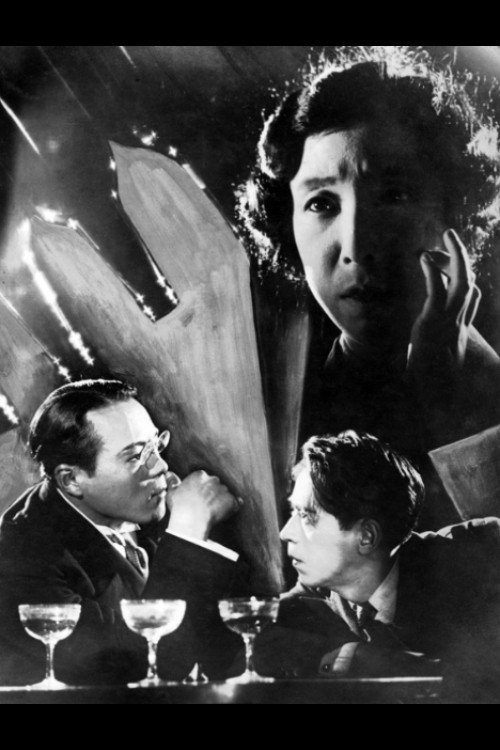
And Yet They Go On 1931
Kenji Mizoguchi's 'And Yet They Go On' (1931) is a poignant exploration of the human spirit. This two-part film, released in a tumultuous year, showcases the director's unique storytelling ability.
Director: Kenji Mizoguchi
Cast




Frequently Asked Questions
What is And Yet They Go On (1931) about?
This poignant film explores the everyday lives of ordinary people, delving into themes of resilience and perseverance.
Who directed And Yet They Go On?
Kenji Mizoguchi, a renowned Japanese director, brought this powerful story to life.
Who stars in And Yet They Go On?
The film features a talented cast, including Yōko Umemura and Kumeko Urabe.
Is And Yet They Go On (1931) worth watching?
While its lost status makes it a difficult film to assess, 'And Yet They Go On' remains a significant piece of cinematic history, offering insights into the early works of Kenji Mizoguchi.
How long is And Yet They Go On?
Runtime details are not listed.
About And Yet They Go On (1931) — A Lost Masterpiece of Japanese Cinema
Kenji Mizoguchi's 'And Yet They Go On' (1931) is a poignant exploration of the human spirit. This two-part film, released in a tumultuous year, showcases the director's unique storytelling ability. With a focus on the everyday lives of ordinary people, the movie delves into themes of resilience and perseverance. The cast, led by Yōko Umemura and Kumeko Urabe, deliver captivating performances that bring depth to the narrative. As a lost film, 'And Yet They Go On' remains an enigmatic piece of cinematic history, leaving audiences to wonder about its potential impact on the industry. The absence of genre and runtime information only adds to the mystique surrounding this film. Viewers interested in Japanese cinema and the early works of Kenji Mizoguchi will find 'And Yet They Go On' (1931) a fascinating subject for study and discussion.
As we navigate the complexities of life, 'And Yet They Go On' serves as a powerful reminder of the importance of carrying on, even in the face of adversity. Mizoguchi's masterful direction weaves together a narrative that is both heartbreaking and uplifting. With its rich themes and engaging characters, this film is a must-watch for anyone interested in the evolution of Japanese cinema.