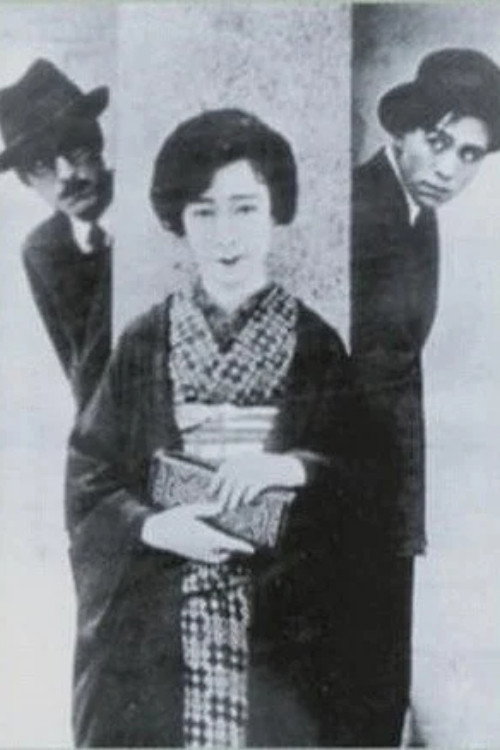
The Woman Who Touched The Legs 1926
Dive into the quirky world of *The Woman Who Touched The Legs (1926)*, a silent-era comedy directed by Yutaka Abe that blends irony with mischief. The film follows a struggling writer whose life takes an unexpected turn when he crosses paths with a cunning female thief.
Director: Yutaka Abe
Cast

Frequently Asked Questions
What is *The Woman Who Touched The Legs (1926)* about?
This 1926 silent comedy follows a writer whose ordinary life is upended by a chance encounter with a clever female thief. The film mixes irony with physical comedy as the two navigate a series of misunderstandings and comedic mishaps.
Who directed *The Woman Who Touched The Legs*?
The film was directed by Yutaka Abe, a notable figure in early Japanese cinema known for his contributions to comedic storytelling.
Who stars in *The Woman Who Touched The Legs*?
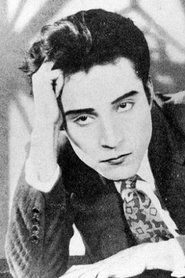
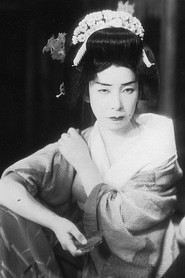
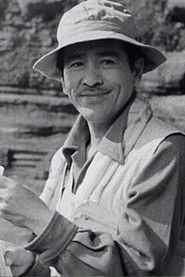
The cast includes Tokihiko Okada as the writer, Yōko Umemura as the thief, with supporting roles from Kōji Shima, Hisako Takihana, and Kan'ichi Tani.
Is *The Woman Who Touched The Legs (1926)* worth watching?
While it's unrated on IMDb, the film's clever blend of slapstick humor and social satire makes it a standout in silent-era comedy. Its concise runtime and engaging premise make it worth seeking out for fans of early cinema.
How long is *The Woman Who Touched The Legs*?
The runtime is 77 minutes, offering a compact and entertaining experience.
About The Woman Who Touched The Legs (1926) — A 1920s Comedy of Errors and Irony
Dive into the quirky world of *The Woman Who Touched The Legs (1926)*, a silent-era comedy directed by Yutaka Abe that blends irony with mischief. The film follows a struggling writer whose life takes an unexpected turn when he crosses paths with a cunning female thief. Abe's lighthearted direction contrasts sharp wit with slapstick humor, creating an atmosphere that's both playful and satirical. The story explores themes of deception, chance encounters, and the thin line between victim and perpetrator. Starring Tokihiko Okada as the writer and Yōko Umemura as the enigmatic thief, the film offers a snapshot of 1920s cinematic charm, where every glance and gesture feels loaded with unspoken tension.
This underrated gem is a testament to early Japanese filmmaking, where comedy thrives on clever twists rather than big budgets. The runtime clocks in at a brisk 77 minutes, perfect for modern viewers seeking a taste of silent-film ingenuity without a time commitment. While the title hints at scandalous antics, Abe's film is more about the absurdity of fate than any outright mischief. It's a rare blend of humor and social commentary that feels refreshingly modern, even a century later.